
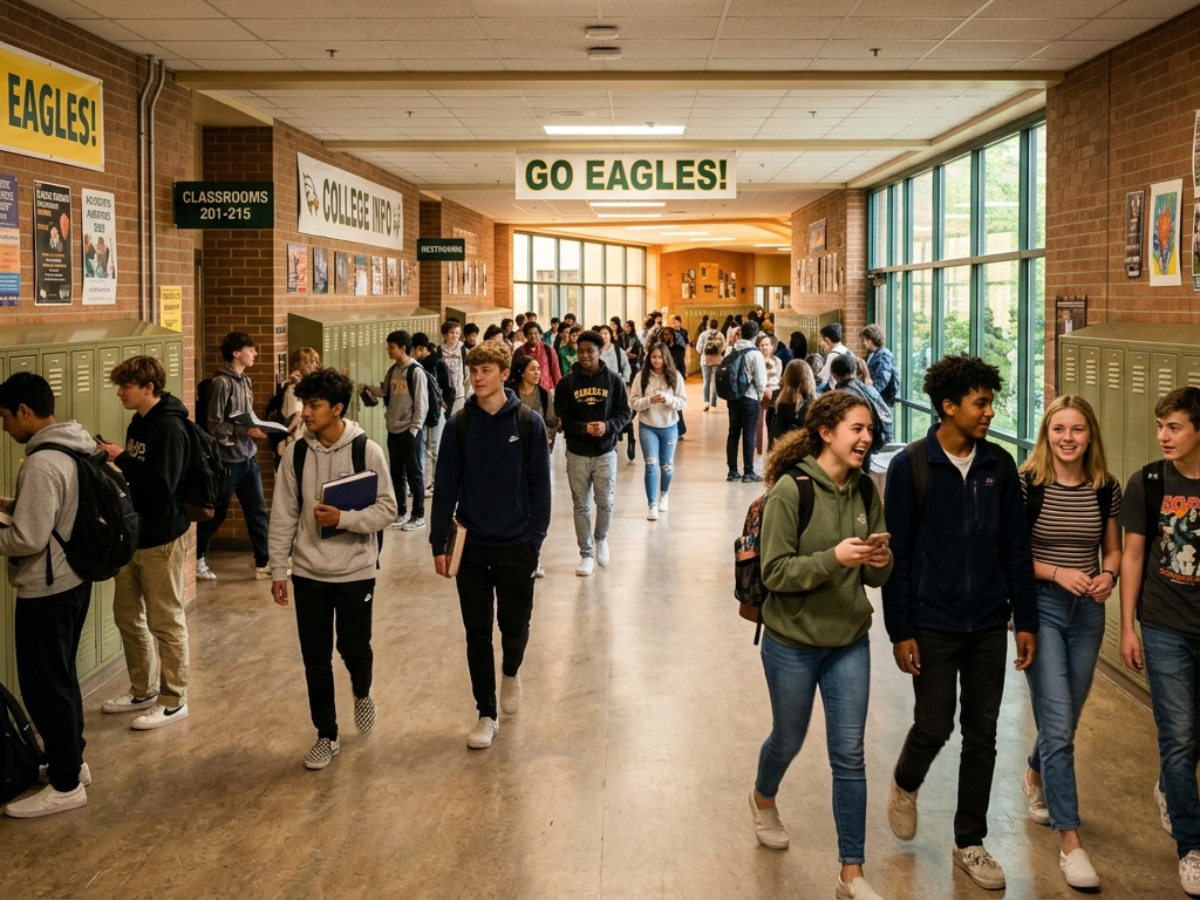
In Metro Atlanta charter and independent schools, the paint on the walls isn’t just about color—it’s a frontline defense against daily wear and tear. Thousands of students move through corridors, stairwells, cafeterias, gyms, and multi‑use spaces every week. Backpacks swing, chairs scrape, carts roll, and custodial teams clean surfaces constantly. In that reality, ordinary paint fails quickly. What schools really need are durable, high‑performance finishes chosen and installed by a school painting contractor Atlanta facilities teams can trust.
As a Georgia Charter Schools Association (GCSA) member and Georgia Independent School Association (GISA) corporate sponsor, Atlanta’s Paint Doctor understands that K‑12 environments demand coatings that hold up under extreme use while still meeting safety and air‑quality expectations. This article explains which finishes belong where, and how they protect both your buildings and your maintenance budget.
If you want to avoid the most serious mistakes schools make when hiring vendors, make sure you also read The Hidden Risks of Hiring Unlicensed or Uninsured Painters. For a broader strategy on planning and sequencing projects, see the Ultimate Guide to Painting K‑12 Charter & Independent Schools in Atlanta.
Why Scuff‑Resistant Finishes Matter in Hallways and Stairwells
Hallways and stairwells take more abuse than any other space in a K‑12 facility. Backpacks, band instruments, lunch carts, custodial equipment, and sports teams move through these corridors every day. All of it comes into contact with the walls. When schools use standard interior paint, these surfaces can look worn and dirty within just a few months.
Scrubbable Acrylic Finishes for Classrooms, Cafeterias, and Offices
Moisture‑Resistant Paints in Gyms, Locker Rooms, and Restrooms
Impact‑Tough Coatings for Athletic Wings and Multi‑Use Spaces
Athletic corridors, weight rooms, and multi‑use spaces combine several challenges for paint. Equipment hits the walls. Shoes scuff surfaces. Staff clean these areas often. In these conditions, impact‑resistant coatings make a clear difference. These finishes use tougher resins that resist chipping and visible damage from repeated contact.
Semi‑Gloss and Satin for Doors, Trim, and Rails
Doors, frames, window trim, handrails, and chair rails receive more direct contact than walls. Students and staff touch, bump, kick, and clean these surfaces throughout the day. For this reason, schools typically use semi‑gloss or satin finishes in these areas. These sheens clean more easily and resist moisture and oils from hands.
Low‑VOC, Low‑Odor Systems Are Non‑Negotiable for Schools
Durability should never compromise student or staff health. K‑12 facilities need paint systems that perform well and meet safety standards. Low‑VOC and zero‑VOC products reduce harmful emissions and strong odors. They also allow crews to paint during breaks or after hours without causing air‑quality issues when buildings reopen.
Why the Right Finish Saves Money Over Time
Durable finishes usually cost more per gallon. Over a three‑ to five‑year period, however, they reduce overall maintenance costs. Schools need fewer touch‑ups and fewer premature repaints. Walls also show less visible wear, which lowers labor expenses and stabilizes maintenance budgets. When contractors recommend scuff‑ or moisture‑resistant systems, they help schools avoid constant “Band‑Aid painting.”
For a broader framework on planning your next repaint, explore the Ultimate Guide to Painting K‑12 Charter & Independent Schools in Atlanta.
If you’re ready to reassess how your school is painted and maintained, we’d be glad to help you design a durable, high‑performance paint plan for your campus.