
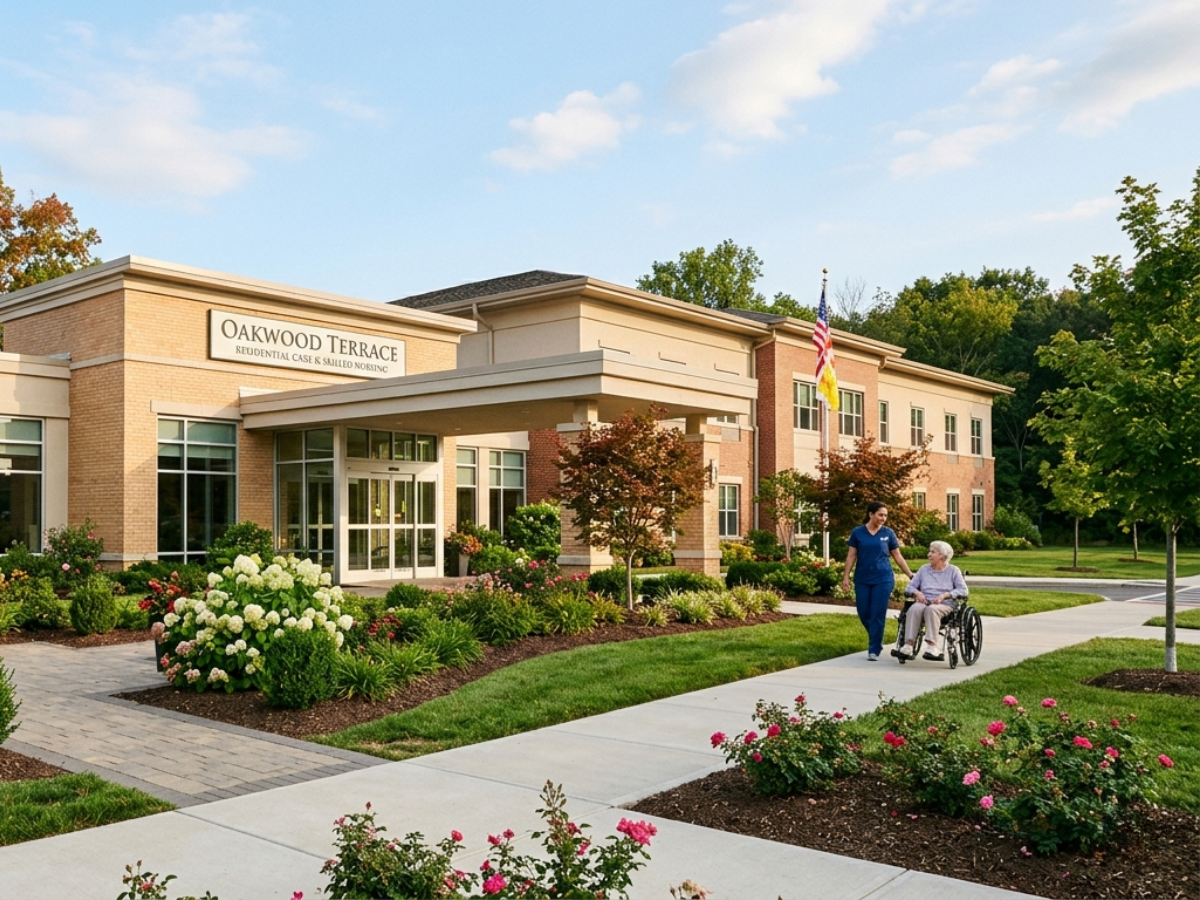
In Metro Atlanta, nursing homes and rehab facilities operate under constant pressure: high patient turnover, survey readiness, staffing challenges, and tight reimbursement margins. In that environment, painting can’t be treated as a cosmetic “nice to have”—it’s part of your overall nursing home maintenance plan, influencing safety, infection control, and how families perceive quality of care.
Because these buildings are in use 24/7, painting and maintenance must be planned, phased, and predictable, not reactive. A structured 3–5 year painting maintenance plan helps nursing and rehab facilities control costs, protect heavily used surfaces, and support a clean, healing environment for patients, residents, and staff.
This guide walks administrators, facility directors, and property managers through how to design a practical, Metro‑Atlanta‑ready plan for both interior and exterior repainting.
For a broader framework across all healthcare environments, see the Ultimate Guide to Painting Healthcare & Senior Care Facilities in Atlanta.
Why Nursing & Rehab Facilities Need a 3–5 Year Painting Plan
Unlike general office or retail spaces, nursing and rehab facilities experience:
- Heavy use of corridors and nurse stations
- Frequent movement of beds, wheelchairs, and lifts
- High cleaning and disinfection frequency
- Sensitive patient populations and clinical standards
Your paint and coating systems must stand up to this heavy use while supporting cleanliness and safety.
A 3–5 year plan allows you to:
- Predict when key areas will need repainting
- Build repaint cycles into capital and operating budgets
- Avoid last‑minute emergency work before surveys or expansions
- Coordinate projects with census trends, renovations, or new service lines
In short, planned maintenance beats crisis maintenance every time.
Step 1: Inventory Your Facility by Zone
Start by building a clear picture of your building assets. Divide your facility into logical zones:
High‑traffic clinical and patient areas
- Main corridors
- Nurse stations
- Patient rooms
- Therapy gyms and rehab spaces
- Dining rooms and day rooms
Support and staff areas
- Charting stations
- Medication rooms
- Staff lounges, break rooms
- Supply rooms
Public‑facing spaces
- Lobbies and reception
- Admissions areas
- Family meeting rooms
Shared service and utility spaces
- Laundry rooms
- Storage corridors
- Service elevators
Exterior elements
- Main entrance and canopy
- Drop‑off zones and ambulance bays
- Railings, ramps, and handrails
- Soffits, trim, and building façades
This facility inventory becomes the foundation for your nursing home painting schedule—each zone will have its own repaint frequency and product requirements.
Step 2: Set Realistic Repaint Cycles by Area
A strong nursing facility painting schedule recognizes that not all spaces age at the same rate. Use these general guidelines as a Metro‑Atlanta starting point:
Every 2–3 Years
- Main corridors and nurse stations
- Therapy / rehab gyms
- Dining rooms and high‑use lounges
- Interior doors and door frames in heavy‑traffic wings
Why: These areas face constant abrasion, disinfectant use, and rolling equipment.
Every 3–5 Years
- Patient rooms (depending on acuity and turnover)
- Lobbies and public waiting areas
- Charting alcoves and staff workrooms
- Administration areas
Why: These spaces see moderate wear but are critical to family impressions and staff morale.
Every 5–7 Years (or as needed, with inspections)
- Exterior façades and trim
- Canopies, covered entries, and railings
- Outbuilding exteriors and service areas
Why: Atlanta’s climate (humidity, UV, storms) can wear exterior coatings over time, but proper systems provide strong durability.
These cycles should be fine‑tuned based on your facility’s age, occupancy, and prior maintenance history—but they give structure to your 3–5 year maintenance plan.
Step 3: Choose High‑Durability, Healthcare‑Grade Coatings
To keep your nursing home maintenance plan realistic and cost‑effective, invest in coatings designed for heavy use:
- Scrubbable acrylic latex for corridors, patient rooms, and nurse stations
- Scuff‑resistant systems for narrow hallways and busy rehab gyms
- Ceramic‑reinforced or high‑performance coatings in high‑abuse zones
- Moisture‑ and mildew‑resistant paints in hydrotherapy, bathing, and utility areas
Because coatings, surface protection, and fixtures in nursing and rehab environments must support constant cleaning, your products should be chosen with durability and infection‑control compatibility in mind.
Cheaper paint often results in shorter cycles, more touch‑ups, and higher lifetime cost.
Step 4: Align Painting with Budget Cycles and Surveys
Your nursing facility painting schedule should be integrated into:
- Annual operating budgets
- Capital improvement plans
- Survey readiness strategies
- Marketing or rebranding timelines
Consider:
- Refreshing entrances, lobbies, and public corridors before major surveys or state inspections
- Aligning rehab gym repaints with equipment upgrades or layout changes
- Planning patient room repainting in phases that match census patterns
By mapping your 3–5 year painting maintenance plan against financial and regulatory cycles, you gain predictable costs and fewer last‑minute crises.
Step 5: Prioritize Infection‑Control and Safety
In nursing and rehab facilities, repainting must support—not interfere with—clinical operations and infection control.
Your plan should:
- Specify low‑ or zero‑VOC coatings to protect air quality in occupied wings
- Include dust and debris containment standards for any surface prep
- Require non‑slip or slip‑resistant systems where appropriate (e.g., ramps, entries)
- Coordinate with infection prevention and housekeeping for cleaning compatibility
This is where a healthcare‑experienced painting contractor in Metro Atlanta becomes essential: they understand how to integrate painting into a live clinical environment while respecting safety and patient care priorities.
Step 6: Define Phasing and Access Strategies
A realistic nursing home painting schedule also explains how work will be executed:
- Wing‑by‑wing or floor‑by‑floor phasing
- Night or off‑peak repainting for key corridors
- Temporary room moves vs. in‑place repainting
- Clear routes for stretchers, wheelchairs, and staff
- Minimal impact on therapy and dining operations
For rehab facilities, this may include coordinating around therapy times, family visit blocks, and discharge planning meetings.
Your maintenance plan should outline:
- Which zones can be out of service at the same time
- How many rooms can be painted per day
- How communication with staff and families will work
Step 7: Document Standards in a “Facility Paint & Coating Guide”
To keep repainting consistent across years (and even across multiple locations), create a Facility Paint Standards Guide that includes:
- Approved colors and schemes for each space type
- Product lines, sheen levels, and manufacturers
- Required prep steps for different substrates
- Dry time and cure time expectations
- Cleaning and touch‑up protocols
This documentation ensures that future phases of your 3–5 year painting maintenance plan match earlier work, even if staff or contractors change.
Step 8: Partner with a Healthcare‑Focused Painting Contractor
The success of your nursing home maintenance plan depends on the partner implementing it.
Look for a Metro Atlanta painting contractor who can:
- Show experience in nursing and rehab facilities specifically
- Work efficiently in active healthcare environments with minimal disruption
- Provide detailed phasing schedules and staffing plans
- Respect infection‑control, safety, and privacy standards
- Offer long‑term maintenance planning, not just one‑off projects
Your painter should feel like an extension of your facility team—not a vendor you have to constantly manage.
Final Thoughts
A well‑designed 3–5 year painting and maintenance plan is one of the most powerful tools a nursing or rehab facility in Metro Atlanta can use to:
- Protect heavily used surfaces
- Support infection‑control and safety standards
- Maintain a clean, healing environment
- Show families and surveyors a professional, well‑managed operation
- Control long‑term costs instead of reacting to problems
By inventorying your spaces, setting realistic repaint cycles, choosing healthcare‑grade coatings, and partnering with a contractor experienced in nursing and rehab facilities, you can turn painting from a recurring headache into a predictable, strategic asset.
For a broader strategic framework that covers assisted living, memory care, clinics, and senior care communities, explore the Ultimate Guide to Painting Healthcare & Senior Care Facilities in Atlanta.
Ready to build or refine your 3–5 year painting maintenance plan for a nursing or rehab facility in Metro Atlanta? Let’s talk about your upcoming project.