
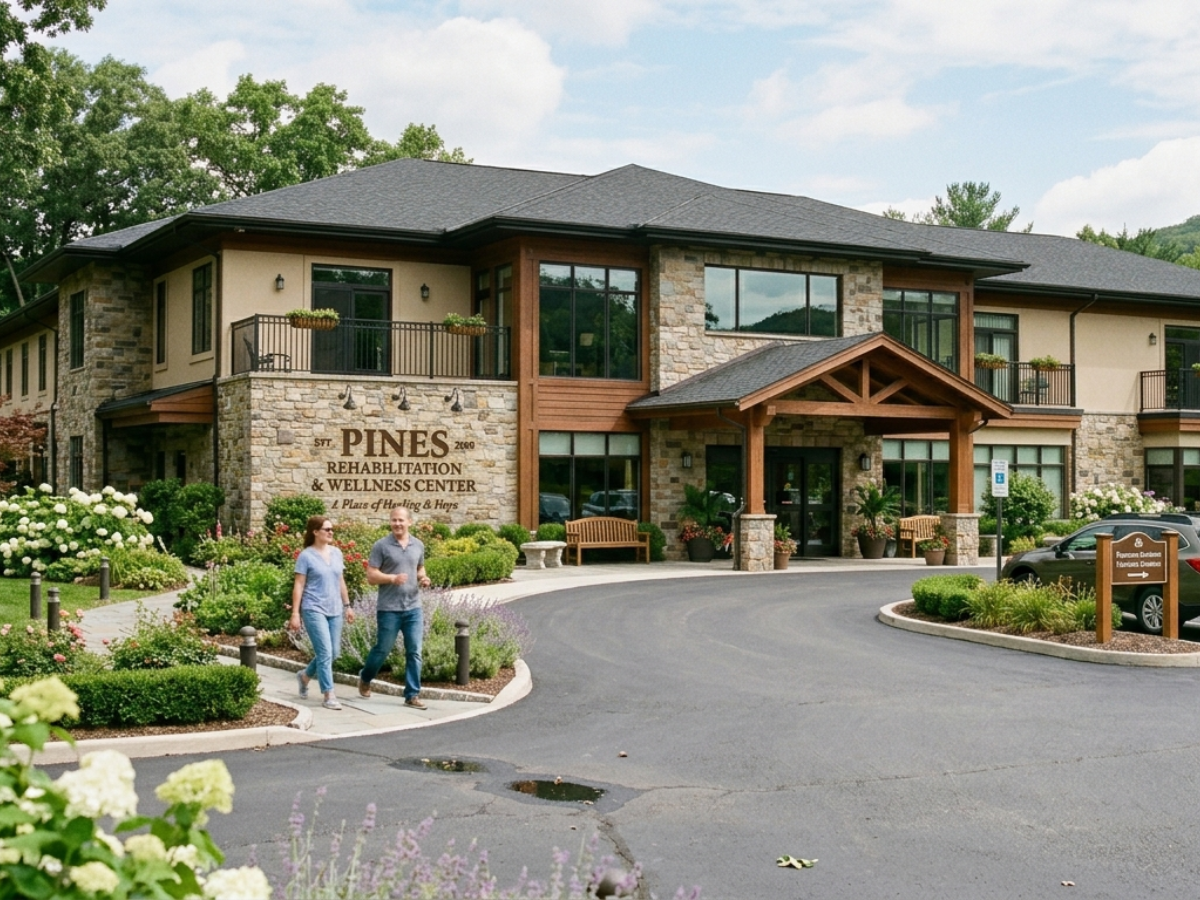
For rehab facilities across Metro Atlanta, exterior repainting is often treated as “nice to have”—something that gets pushed until budgets loosen up or complaints pile up. However, the exterior of your building isn’t just a façade. It’s a signal.
Before a patient ever meets your clinical team, and before a referral partner ever recommends your facility, your exterior communicates three things instantly:
- Perception: “Is this facility professional, clean, and well maintained?”
- Referrals: “Would I confidently send my patient here?”
- Compliance readiness: “Does this organization stay ahead of upkeep and risk?”
That’s why exterior repaints are not cosmetic projects—they’re operational and reputational safeguards. And if you’re a facility manager searching for a reliable painting partner, the right plan can reduce disruption while extending the life of your building envelope.
Below is a facility-manager-focused guide to why exterior repainting matters—and how to approach it the smart way.
1) Perception: Your Exterior Sets the Tone for Care
In rehab settings, perception has a direct impact on admissions and patient confidence. A fading, peeling, or stained exterior can unintentionally suggest deferred maintenance—even when clinical care is excellent.
That matters because families and patients often arrive already stressed. As a result, they look for reassurance in the environment:
- Clean entryways and consistent finishes feel “safe”
- Fresh paint looks “orderly” and “well managed”
- A maintained exterior reduces anxiety and doubt
In short: your exterior is part of the patient experience—before they ever walk through the door.
If you’re evaluating a rehab facility exterior painting contractor in Atlanta, curb appeal isn’t a vanity metric. It’s a trust metric.
2) Referrals: First Impressions Influence Partner Confidence
Rehab facilities don’t operate in isolation. Referrals can come from hospitals, clinics, case managers, physician networks, and family recommendations. Those stakeholders want to send patients to environments that appear:
- Safe
- Organized
- Consistently maintained
- Aligned with quality standards
Here’s the key: referral partners may never audit your facility operations—but they will notice the building.
A visibly worn exterior can create friction in the referral process because it triggers a simple question:
“If the outside looks neglected, what else might be behind?”
On the other hand, a well-maintained exterior supports confidence and reinforces credibility—especially when referral decision-makers are comparing multiple options in Metro Atlanta.
That’s why a rehabilitation center exterior repaint Metro Atlanta plan can support not only facilities goals, but also business development outcomes.
3) Compliance Readiness: Exterior Degradation Can Become a Risk Issue
While repainting isn’t “compliance” by itself, exterior conditions can contribute to risk—particularly when deterioration affects safety, access, or building integrity.
Facility managers typically prioritize repainting when they notice:
- Peeling paint and exposed substrate on trim or fascia
- Wood deterioration or soft spots caused by moisture
- Cracking or failed caulking around penetrations
- Rusting railings or metal elements
- Staining that suggests recurring moisture intrusion
- Faded markings or low-visibility transitions near entrances
Even when these issues seem minor, they can create operational headaches and elevate maintenance risk over time.
A proactive exterior repaint, performed by a commercial painting contractor for healthcare facilities in Atlanta, helps you stay ahead of visible deterioration—and reduces the chance of small issues becoming bigger capital repairs.
Why Metro Atlanta Makes Exterior Paint Fail Faster (and Why That Matters)
Metro Atlanta conditions are tough on coatings:
- High humidity fuels mildew and staining
- UV exposure accelerates fading and chalking
- Seasonal storms challenge building envelopes
- Temperature swings stress joints and trim
That combination increases paint failure risk—especially if a previous project used a one-size-fits-all approach.
For rehab facilities, that means the “right” repaint isn’t just about applying paint. It’s about choosing a system: prep + primer + topcoat that holds up to Atlanta’s climate and your facility’s operational demands.
What Facility Managers Should Expect From a Rehab-Focused Exterior Repaint Plan
If your goal is minimal disruption and maximum longevity, your contractor should offer a plan that includes:
1) Zone-Based Phasing (So Operations Keep Moving)
Rather than shutting down access points, a strong contractor schedules by zones:
- Front elevation + primary entrance first (fast perception win)
- Side elevations second (lower traffic)
- Rear/service areas last (coordinated with deliveries and waste pickup)
This keeps entrances usable and reduces disruption.
2) Safety & Access Controls (Non-Negotiable)
Rehab facilities have frequent arrivals, mobility devices, and patient transport. A credible healthcare exterior painting services Metro Atlanta vendor should include:
- Clear pedestrian routing
- Temporary barriers and signage
- Daily cleanup and route restoration
- Protection of ramps, handrails, and entry thresholds
3) Coating System Selection Based on Exposure
Exterior surfaces vary (stucco, fiber cement, wood trim, metal railings). A rehab-experienced contractor will specify products based on:
- Sun-facing elevations
- Shade and moisture zones
- High-touch, high-visibility areas
- Long-term washability and mildew resistance
4) Clear Communication Cadence
Facilities teams need predictability. Look for:
- Weekly schedule updates
- Daily “what’s happening today” notes
- A single accountable onsite lead
- A documented punch list and closeout walkthrough
A Simple Decision Framework: “Touch-Up, Partial Repaint, or Full Exterior?”
Facility managers often ask what level of repaint is truly necessary. Here’s a practical framework:
Touch-Ups Make Sense When:
- Paint film is intact
- Failures are isolated (minor scuffs, small trim sections)
- There’s no recurring moisture issue
- The facility still presents well from the street
Partial Repaint Makes Sense When:
- One elevation fails faster (sun-facing or shaded mildew side)
- Trim is deteriorating, but siding is stable
- You need a “tour route” refresh for perception and referrals
Full Exterior Repaint Makes Sense When:
- Widespread fading, chalking, peeling, or staining is present
- Multiple substrates are failing
- Brand perception is inconsistent across the campus
- Maintenance costs and touch-ups are becoming frequent
This is also where a qualified rehab facility exterior painting contractor Atlanta can help you prioritize spend and phase work without sacrificing quality.
Learn More: Planning Painting Projects for Healthcare & Senior Care Environments
Exterior repainting is most effective when it’s part of a broader, proactive facility strategy. For a complete framework on planning, coatings, safety, and contractor selection in occupied environments, visit our pillar resource, the Ultimate Guide to Painting Healthcare & Senior Care Facilities in Atlanta
It’s built to help facility managers make confident decisions—while protecting operations, people, and budgets.
Quick FAQs (Featured-Snippet Friendly)
How often should rehab facilities repaint exteriors in Metro Atlanta?
Most facilities plan on a cycle based on exposure, substrate type, and previous coating quality. High-sun and high-moisture areas often require earlier refreshes than protected elevations.
Can exterior repainting be done while the facility remains operational?
Yes—when a contractor uses zone-based phasing, maintains safe access routes, and communicates schedules clearly.
What exterior areas matter most for perception and referrals?
Front elevation, main entrance, signage backdrops, railings/handrails, and any “tour path” areas create the strongest first impression.
What should a facility manager look for in a painting contractor?
Look for healthcare/senior care experience, safety planning, phasing strategy, coating-system knowledge, and strong communication processes.
Final Takeaway for Facility Managers
For rehab facilities, exterior repainting is a practical lever for improving:
- Patient and family confidence
- Referral partner trust
- Operational readiness and risk reduction
With the right plan and the right Metro Atlanta rehab facility exterior painting contractor, repainting becomes a predictable upgrade—not a disruptive event. Contact us!