
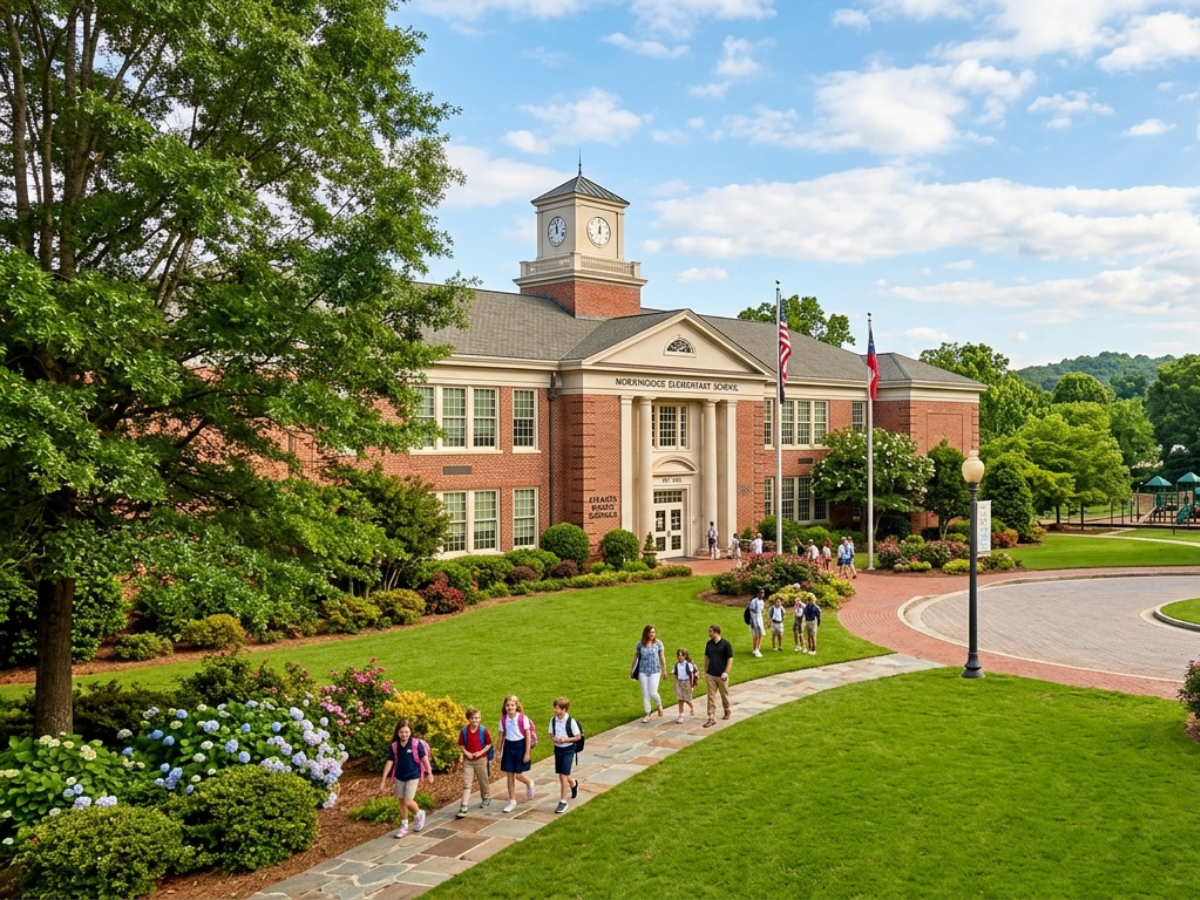
For Metro Atlanta charter and independent schools, summer break offers the best window for painting: no students on campus, fewer staff interruptions, faster dry times, and more flexible building access. But it’s also the most competitive season — and if you’re not careful, summer repainting can strain your budget or run into timeline issues.
As proud members of the Georgia Charter Schools Association (GCSA) and corporate sponsors of the Georgia Independent School Association (GISA), we understand exactly how schools operate during summer break — and what it takes to complete projects on time and within budget.
Below are the most effective strategies your leadership team can use to stretch maintenance dollars, reduce disruption, and execute a smooth summer school painting Atlanta project.
For help comparing summer vs. winter scheduling, see Summer vs. Winter Break: When’s the Best Time to Paint Your School?
-
Start Planning Early — Ideally Before Spring Break
The most budget‑friendly summer paint projects begin months before summer arrives. Schools that plan late (May–June) often face:
- Higher contractor pricing
- Limited crew availability
- Compressed timelines
- Supply and product rush charges
Planning in January–March gives your school:
✔ Priority scheduling
✔ More competitive proposals
✔ Flexibility to phase work
✔ Better coordination with administrators and staff
If your internal team can set a maintenance calendar early in the year, you’ll eliminate the pressure (and cost) of last‑minute contracting.
-
Prioritize High‑Traffic, High‑Visibility Areas First
To stay on budget, focus your summer repaint on spaces that matter most to:
- Students
- Parents
- Teachers
- Admissions visitors
Start with:
- Hallways
- Gyms & athletic corridors
- Classrooms for next year’s busiest grades
- Stairwells
- Cafeterias
- Front office/entry areas
These spaces show wear the fastest and provide the biggest impact for your investment.
Lower‑priority areas (storage rooms, back‑of‑house spaces, small offices) can be deferred to winter break.
-
Use Durable, School‑Grade Paint Systems (Lower Cost Over Time)
Cheaper paint products might look budget‑friendly, but they fail faster in school environments. High‑traffic K‑12 spaces require coatings designed for:
- Daily cleaning
- Moisture and humidity
- Backpack and locker scuffs
- Constant student foot traffic
Durable paints decrease:
- Touch‑up costs
- Early repaints
- Maintenance labor
- Long‑term operational expenses
Look for:
- Scrubbable acrylics
- Satin/eggshell finishes for hallways
- Scuff‑resistant coatings for gyms
- Moisture‑resistant finishes for locker rooms
- Low‑VOC paints for healthy indoor air
The right system helps your school save money over multiple school years, not just this summer.
-
Standardize Your School’s Color Palette to Avoid Waste
One of the biggest ways schools overspend on paint?
Too many colors.
When different wings or grade levels use different shades, you end up with:
- Extra gallons left over
- Hard‑to-match touch-ups
- Higher product costs
- Longer labor time
- Visual inconsistency across campus
Create a campus‑wide color standards guide with:
- Approved wall colors
- Approved trim colors
- Sheen requirements
- Room‑type standards
- Athletic area accent guidance
Fewer colors → fewer gallons → tighter budget → consistent campus appearance.
-
Phase Large Projects Across Multiple Summers
Trying to paint an entire campus in one summer often:
- Strains the budget
- Leaves no room for unexpected repairs
- Reduces quality of work
- Creates time pressure for contractors
- Disrupts summer programs and camps
A smarter approach is a multi-year painting plan, especially for larger campuses.
Example phasing:
- Year 1: Academic wings + hallways
- Year 2: Gyms, cafeterias, and athletics
- Year 3: Exterior repaint + admin buildings
- Year 4: Classrooms + stairwells not done in Year 1
This spreads the investment, aligns with facility wear-and-tear, and stabilizes the maintenance budget.
-
Use After-Hours or Split Shift Labor to Stay on Schedule
Schools operate year-round — summer camps, athletics, extended programs, and facility rentals are common across Metro Atlanta.
If spaces can’t close entirely, after‑hours or phased shifts ensure:
- No delays due to foot traffic
- No conflicts with summer programming
- Faster turnaround
- Lower overall project cost due to better crew productivity
It’s one of the most effective and flexible options for summer school painting Atlanta projects.
-
Bundle Painting with Other Summer Maintenance Work
Save money by combining painting with additional campus tasks:
- Drywall repair
- Pressure washing
- Carpentry touch-ups
- Caulking
- Color refreshes on doors, handrails, and metalwork
- Locker room paint + moisture mitigation
Bundling reduces mobilization fees and makes better use of your maintenance budget.
-
Choose a Contractor Who Specializes in K‑12, Not Just Commercial Painting
This is the #1 way to avoid budget surprises.
A contractor who regularly works with charter and independent schools will understand:
- Student safety requirements
- Low‑odor, low‑VOC coating standards
- Compressed summer schedules
- Access restrictions
- Coordination with staff
- Daily cleanup expectations
- Athletic + academic building differences
As GCSA members and GISA corporate sponsors, we understand both the operational demands and community expectations of Metro Atlanta schools — and how to deliver projects that stay on time and on budget.
Final Thoughts
Summer break is the best time to refresh your school — but only if you plan smart. With early scheduling, durable coatings, phased approaches, and a school‑specialized contractor, your summer school painting Atlanta project can be successfully completed without overspending.
For help deciding how plan your repaint project, we recommend reading our Ultimate Guide to Painting K‑12 Charter & Independent Schools in Atlanta, where you will find everything you need to know before choosing the best school painting contractor in Atlanta.