
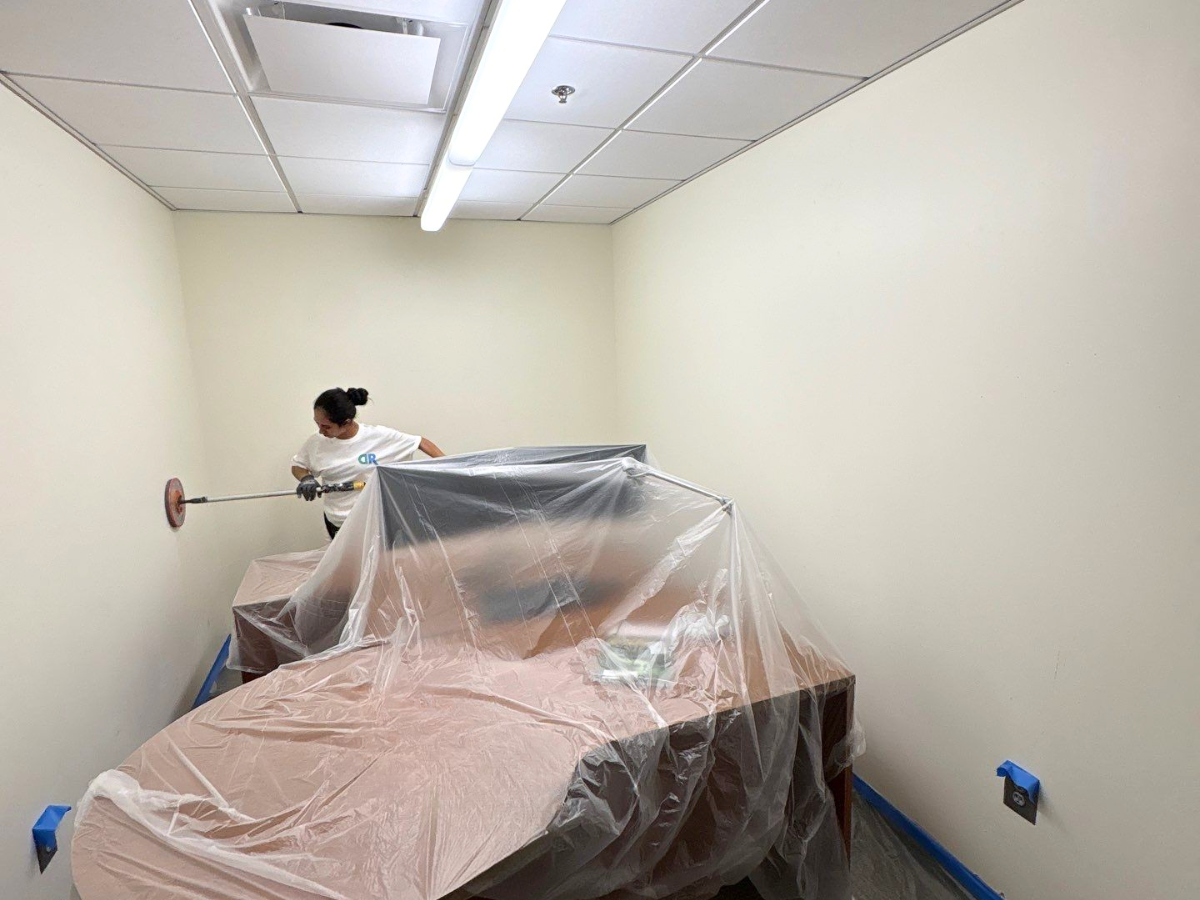
A calm start to a productive year
If you manage a commercial property in Atlanta—office, retail, healthcare, industrial—you already know: a well-maintained building isn’t just about appearances. It reduces downtime, extends the life of finishes and systems, keeps tenants happy, and protects your investment. A structured commercial maintenance checklist at the start of the year makes that easier, especially with Atlanta’s humidity, heat swings, and seasonal storms.
Below is a practical, field-tested checklist tailored to Atlanta properties. It’s educational first, designed to help you plan smart and avoid reactive “fire drills” later.
1) Exterior Envelope: Seal, Protect, Prevent
Why it matters: Atlanta’s humidity, heavy rains, and summer UV can accelerate paint failure, stucco cracks, and moisture intrusion—small issues that become costly if ignored.
What to check:
-
Paint and coatings: Look for chalking, fading, cracking, or bare spots on stucco, masonry, and metal. Prioritize masonry coatings, stucco painting and repair, and metal painting and rust removal where you see early failure.
-
Sealants and joints: Inspect urethane joint expansion seals around windows, doors, and control joints. Replace brittle or failed sealant to prevent water ingress.
-
Waterproofing: Check parapet caps, balconies, and transitions. Consider waterproof coatings where ponding or splashback occurs.
-
Brick & mortar: Evaluate efflorescence, spalling, and mortar condition. Brick painting and waterproofing can stabilize and unify surfaces while reducing maintenance.
Pro tip: Document with date-stamped photos each January. Track high-UV southern exposures closely; they age faster.
2) Parking Lots & Grounds: Safety and First Impressions
Why it matters: Clear visuals = fewer incidents and better ADA compliance.
What to check:
-
Line striping: Repaint line striping for stalls, directional arrows, fire lanes, and ADA markings. Re-stencil loading zones.
-
Curbs, bollards, and rails: Touch up paint on safety-critical features to prevent rust and maintain visibility.
-
Graffiti hot spots: If your property has recurring tags, add anti-graffiti coatings in those zones for faster removal next time.
Pro tip: Bundle striping and exterior touch-ups during off-hours for minimal disruption.
3) Interiors: High-Touch, High-Visibility Areas First
Why it matters: Lobbies, corridors, and restrooms shape tenant perception and reflect brand standards.
What to check:
-
Walls and trim: Identify scuffs, dents, and water staining. Schedule drywall repair services, light carpentry and repairs, and repaint high-traffic zones.
-
Wall protection: In corridors and back-of-house areas, consider wall protection, RFP & corner guards to reduce future repairs.
-
Wallcoverings: Inspect seams, bubbling, and moisture damage. Plan wallcovering installation or removal as needed.
-
Acoustics: For noisy open-plan spaces, fabric/acoustical panel installation improves comfort and productivity.
Pro tip: Color-consistent touch-up kits for each floor help facility teams extend the life of paint cycles between full repaints.
4) Floors That Work as Hard as You Do
Why it matters: Industrial, healthcare, and retail environments need durable, safe, and cleanable surfaces.
What to check:
-
Warehouses & garages: Evaluate epoxy floor coatings for abrasion, hot-tire pickup, and chemical resistance.
-
Showrooms & offices: Consider polished concrete for low-maintenance, dust-free, reflective floors that brighten interiors.
-
Slip resistance: Test critical areas (entries, restrooms, breakrooms) and add traction where needed.
Pro tip: Stagger floor work by zone and schedule off-hours and weekend painting/coatings to avoid downtime.
5) Roofs, Penthouse Levels & Mechanical Areas
Why it matters: Aesthetic? Not always. Risk mitigation? Absolutely.
What to check:
-
Roof coatings: If your roof is due, roof coatings can extend life and improve cooling performance.
-
Mechanical rooms: Repaint deteriorated surfaces to slow corrosion and improve lighting via higher-LRV coatings.
-
Access paths & safety markings: Use high-visibility stenciling solutions and striping for safe operations.
Pro tip: Label service zones by color and stencil to standardize vendor workflows.
6) Multi-Story Buildings: Elevators, Stairwells & Egress
Why it matters: These areas see the most wear and are critical for life safety.
What to check:
-
Stairwells: Fresh, light-colored paint increases brightness and perceived safety.
-
Elevator lobbies: Coordinate wallcovering or paint refresh with lighting upgrades for dramatic impact.
-
Handrails & metalwork: Address rust and chips promptly with metal painting and rust removal.
Pro tip: Schedule per-floor refreshes to distribute spend and minimize disruption to tenants.
7) Moisture & Mold Prevention: Get Ahead of Atlanta’s Humidity
Why it matters: High humidity accelerates coating failure and supports microbial growth.
What to check:
-
Bathrooms & breakrooms: Use proper primers and mildewcide-infused topcoats.
-
Ground-level walls: Look for wicking or baseboard swelling; address with waterproof coatings and sealant upgrades.
-
Exterior transitions: Verify expansion joint integrity and flashing details—small gaps become big problems here.
Pro tip: Pair repainting with ventilation checks to keep finishes performing longer.
8) Security & Vandalism Readiness
Why it matters: Fast response reduces repeat incidents.
What to check:
-
Anti-graffiti plan: Define response times and anti-graffiti coatings for porous surfaces.
-
Surveillance sightlines: Trim landscaping and improve lighting; then repaint walls to a clean, consistent finish that discourages tagging.
Pro tip: Keep a small stock of matching coatings for immediate touch-up after removal.
9) Documentation & Budgeting: Make Next Year Easier
Why it matters: Process beats heroics.
What to do now:
-
Build a simple annual maintenance plan by zone (exterior, levels, amenities).
-
Prioritize life-safety and water-intrusion risks first, then aesthetic upgrades.
-
Align scopes with your fiscal calendar; schedule larger projects in low-occupancy periods.
Pro tip: For buildings with strict quiet hours, plan off-hours and weekend work upfront to keep tenants productive.
10) When to Bring in a Pro (and What We Do)
Some tasks are ideal for in-house teams. Others benefit from a professional, process-driven approach—especially waterproofing, expansion joint sealing, epoxy floors, roof coatings, multi-story exteriors, and phased interior refreshes across occupied spaces.
Atlanta’s Paint Doctor supports commercial clients with a wide variety of solutions. Check them here
A Simple, Atlanta-Smart Annual Checklist (Summary)
-
Inspect exterior paint, sealants, and waterproofing
-
Refresh parking lot line striping and safety stencils
-
Repair drywall; add wall protection in high-traffic areas
-
Evaluate epoxy or polished concrete where durability matters
-
Tidy mechanical areas; consider roof coatings if due
-
Refresh stairwells and elevator lobbies by floor
-
Mitigate humidity risks in bathrooms and ground levels
-
Prepare a graffiti response plan with protective coatings
-
Document, prioritize, and phase projects with tenant schedules
-
Plan off-hours/weekend work to minimize disruption
Soft Conclusion
A thoughtful commercial maintenance checklist sets the tone for the year—fewer surprises, happier tenants, and assets that age gracefully in Atlanta’s climate. If you’d like a second set of eyes on your property or help phasing work across busy spaces, we’re happy to talk through options that fit your calendar and budget.
Question for you: Which areas of your building tend to need attention first—exterior envelope, interiors, or parking/egress?