
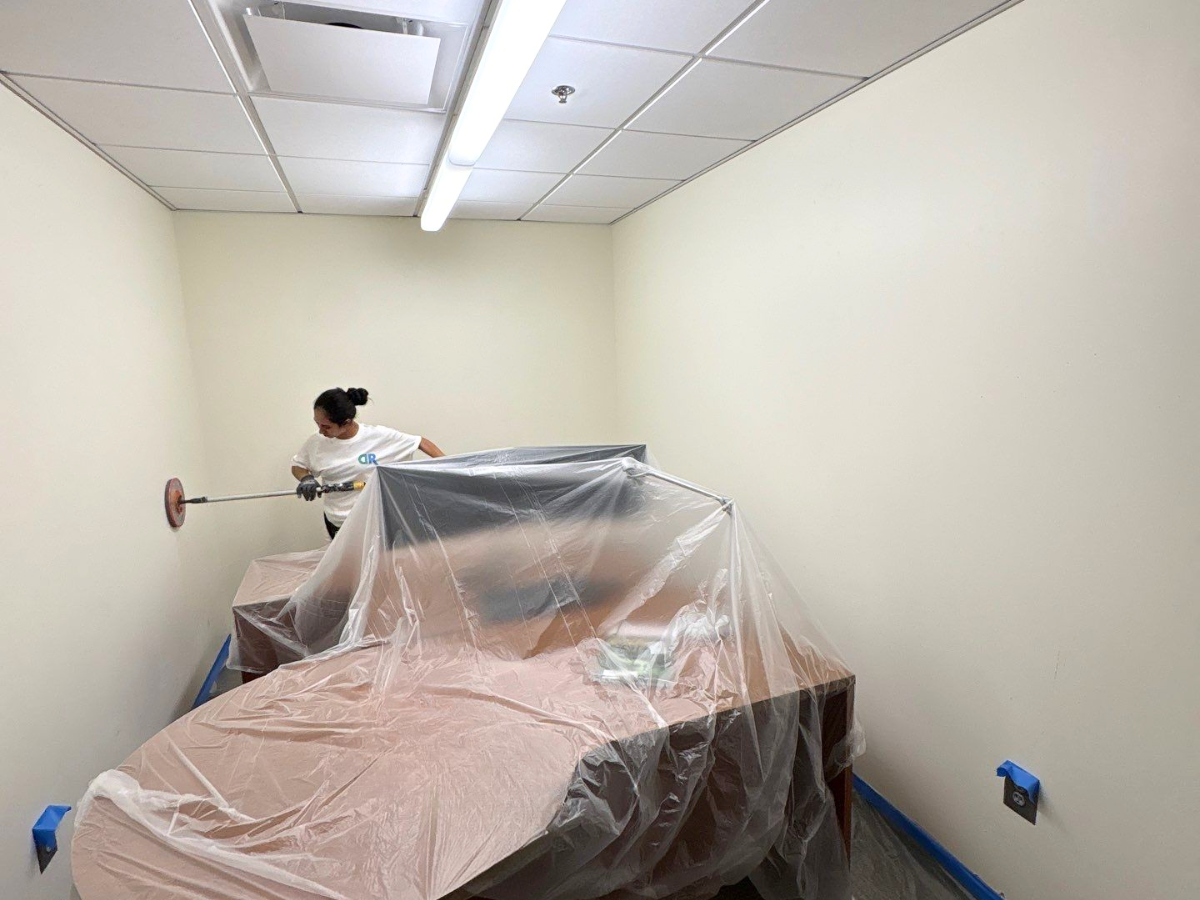
A calm start to a productive year
If you manage a commercial property in Atlanta—office, retail, healthcare, industrial—you already know: a well-maintained building isn’t just about appearances. It reduces downtime, extends the life of finishes and systems, keeps tenants happy, and protects your investment. A structured commercial maintenance checklist at the start of the year makes that easier, especially with Atlanta’s humidity, heat swings, and seasonal storms.
Below is a practical, field-tested checklist tailored to Atlanta properties. It’s educational first, designed to help you plan smart and avoid reactive “fire drills” later.
1) Exterior Envelope: Seal, Protect, Prevent
Why it matters: Atlanta’s humidity, heavy rains, and summer UV can accelerate paint failure, stucco cracks, and moisture intrusion—small issues that become costly if ignored.
What to check:
-
Paint and coatings: Look for chalking, fading, cracking, or bare spots on stucco, masonry, and metal. Prioritize masonry coatings, stucco painting and repair, y metal painting and rust removal where you see early failure.
-
Sealants and joints: Inspect urethane joint expansion seals around windows, doors, and control joints. Replace brittle or failed sealant to prevent water ingress.
-
Waterproofing: Check parapet caps, balconies, and transitions. Consider waterproof coatings where ponding or splashback occurs.
-
Brick & mortar: Evaluate efflorescence, spalling, and mortar condition. Brick painting and waterproofing can stabilize and unify surfaces while reducing maintenance.
Pro tip: Document with date-stamped photos each January. Track high-UV southern exposures closely; they age faster.
2) Parking Lots & Grounds: Safety and First Impressions
Why it matters: Clear visuals = fewer incidents and better ADA compliance.
What to check:
-
Line striping: Repaint line striping for stalls, directional arrows, fire lanes, and ADA markings. Re-stencil loading zones.
-
Curbs, bollards, and rails: Touch up paint on safety-critical features to prevent rust and maintain visibility.
-
Graffiti hot spots: If your property has recurring tags, add anti-graffiti coatings in those zones for faster removal next time.
Pro tip: Bundle striping and exterior touch-ups during off-hours for minimal disruption.
3) Interiors: High-Touch, High-Visibility Areas First
Why it matters: Lobbies, corridors, and restrooms shape tenant perception and reflect brand standards.
What to check:
-
Walls and trim: Identify scuffs, dents, and water staining. Schedule drywall repair services, light carpentry and repairs, and repaint high-traffic zones.
-
Wall protection: In corridors and back-of-house areas, consider wall protection, RFP & corner guards to reduce future repairs.
-
Wallcoverings: Inspect seams, bubbling, and moisture damage. Plan wallcovering installation or removal as needed.
-
Acoustics: For noisy open-plan spaces, fabric/acoustical panel installation improves comfort and productivity.
Pro tip: Color-consistent touch-up kits for each floor help facility teams extend the life of paint cycles between full repaints.
4) Floors That Work as Hard as You Do
Why it matters: Industrial, healthcare, and retail environments need durable, safe, and cleanable surfaces.
What to check:
-
Warehouses & garages: Evaluate epoxy floor coatings for abrasion, hot-tire pickup, and chemical resistance.
-
Showrooms & offices: Consider polished concrete for low-maintenance, dust-free, reflective floors that brighten interiors.
-
Slip resistance: Test critical areas (entries, restrooms, breakrooms) and add traction where needed.
Pro tip: Stagger floor work by zone and schedule off-hours and weekend painting/coatings to avoid downtime.
5) Roofs, Penthouse Levels & Mechanical Areas
Why it matters: Aesthetic? Not always. Risk mitigation? Absolutely.
What to check:
-
Roof coatings: If your roof is due, roof coatings can extend life and improve cooling performance.
-
Mechanical rooms: Repaint deteriorated surfaces to slow corrosion and improve lighting via higher-LRV coatings.
-
Access paths & safety markings: Use high-visibility stenciling solutions and striping for safe operations.
Pro tip: Label service zones by color and stencil to standardize vendor workflows.
6) Multi-Story Buildings: Elevators, Stairwells & Egress
Why it matters: These areas see the most wear and are critical for life safety.
What to check:
-
Stairwells: Fresh, light-colored paint increases brightness and perceived safety.
-
Elevator lobbies: Coordinate wallcovering or paint refresh with lighting upgrades for dramatic impact.
-
Handrails & metalwork: Address rust and chips promptly with metal painting and rust removal.
Pro tip: Schedule per-floor refreshes to distribute spend and minimize disruption to tenants.
7) Moisture & Mold Prevention: Get Ahead of Atlanta’s Humidity
Why it matters: High humidity accelerates coating failure and supports microbial growth.
What to check:
-
Bathrooms & breakrooms: Use proper primers and mildewcide-infused topcoats.
-
Ground-level walls: Look for wicking or baseboard swelling; address with waterproof coatings and sealant upgrades.
-
Exterior transitions: Verify expansion joint integrity and flashing details—small gaps become big problems here.
Pro tip: Pair repainting with ventilation checks to keep finishes performing longer.
8) Security & Vandalism Readiness
Why it matters: Fast response reduces repeat incidents.
What to check:
-
Anti-graffiti plan: Define response times and anti-graffiti coatings for porous surfaces.
-
Surveillance sightlines: Trim landscaping and improve lighting; then repaint walls to a clean, consistent finish that discourages tagging.
Pro tip: Keep a small stock of matching coatings for immediate touch-up after removal.
9) Documentation & Budgeting: Make Next Year Easier
Why it matters: Process beats heroics.
What to do now:
-
Build a simple annual maintenance plan by zone (exterior, levels, amenities).
-
Prioritize life-safety and water-intrusion risks first, then aesthetic upgrades.
-
Align scopes with your fiscal calendar; schedule larger projects in low-occupancy periods.
Pro tip: For buildings with strict quiet hours, plan off-hours and weekend work upfront to keep tenants productive.
10) When to Bring in a Pro (and What We Do)
Some tasks are ideal for in-house teams. Others benefit from a professional, process-driven approach—especially waterproofing, expansion joint sealing, epoxy floors, roof coatings, multi-story exteriors, and phased interior refreshes across occupied spaces.
Atlanta’s Paint Doctor supports commercial clients with a wide variety of solutions. Check them here
A Simple, Atlanta-Smart Annual Checklist (Summary)
-
Inspect exterior paint, sealants, and waterproofing
-
Refresh parking lot line striping and safety stencils
-
Repair drywall; add wall protection in high-traffic areas
-
Evaluate epoxy or polished concrete where durability matters
-
Tidy mechanical areas; consider roof coatings if due
-
Refresh stairwells and elevator lobbies by floor
-
Mitigate humidity risks in bathrooms and ground levels
-
Prepare a graffiti response plan with protective coatings
-
Document, prioritize, and phase projects with tenant schedules
-
Plan off-hours/weekend work to minimize disruption
Soft Conclusion
A thoughtful commercial maintenance checklist sets the tone for the year—fewer surprises, happier tenants, and assets that age gracefully in Atlanta’s climate. If you’d like a second set of eyes on your property or help phasing work across busy spaces, we’re happy to talk through options that fit your calendar and budget.
Question for you: Which areas of your building tend to need attention first—exterior envelope, interiors, or parking/egress?