A fresh coat of paint can look perfect on the last day of a project. Even so, a bad paint job on walls often stays hidden until morning sun or a lamp hits the surface at a low angle. Knowing the signs of a bad interior paint job helps you check a finished room or size up a painter before you hire one. I’m Archie Deese, owner of Atlanta's Paint Doctor. After 25 years and more than 3,000 projects across Buckhead and North Atlanta, I have learned one thing. Most flaws trace back to a rushed schedule, not a lack of skill. That is why our interior house painting work follows a written plan you approve before we touch a wall.
Why Rushed Painting Shows Up on the Wall
Every coat of paint sits on top of whatever is underneath. If a crew skips a step, the skipped step shows up in the finish. Prep comes first, and it takes time. Cleaning, patching, sanding, and priming are the steps a tight schedule cuts first.
The trade treats this seriously. The Painting Contractors Association publishes industry standards for inspecting surfaces before painting. Other standards cover the levels of surface preparation for repaint work. In other words, prep is a formal step in the trade, not an optional extra.
Drying time matters too. Most latex paints list a recoat time of about four hours, and oil-based paints often ask for about 24. A second coat put on too soon can leave streaks or a soft, uneven finish.
Signs of a Bad Interior Paint Job to Look For
Here are seven things I check on every walkthrough. You can use the same list in your own home. Each one usually points back to a step that was rushed or skipped.
| Sign | What You May See | What It Often Points To |
|---|---|---|
| Roller and lap marks | Stripes, or shiny and dull patches, when light hits the wall | Coats applied too fast or out of order |
| Drips and sags | Ridges of paint near corners, trim, or door frames | Paint rolled on too thick with no final check |
| Bleed-through | Old color or stains showing through the new coat | Primer or a second coat was skipped |
| Visible repairs | Cracks, dents, or nail pops still showing | Drywall repair was skipped or sanded too little |
| Messy edges | Wavy lines where walls meet the ceiling or trim | Too little time on cutting in and detail work |
| Specks in the finish | Dust, hair, or grit stuck in the paint | Surfaces were not cleaned or sanded first |
| Peeling or bubbling | Paint lifting near switches, baseboards, or bathrooms | Poor cleaning, the wrong primer, or recoating too soon |
Not every flaw means the whole job was rushed. A single missed spot can happen on any project. A pattern across several rooms is what tells the real story.
Where Rushed Work Shows Up First
Some spots give a rushed job away faster than others. Start your walkthrough here:
Ceilings and trim are where I look first, because they take the most patience. Sharp trim work is one of the clearest marks of a careful crew.
How to Check Your Walls Before You Sign Off
You do not need special tools to spot a bad paint job on walls. You need good light and a few extra minutes. Try this in each room:
Each view shows different flaws, so check in daylight and again at night with lamps on. A painter who invites a slow walkthrough is showing you how the rest of the job went. Take photos of anything you notice and share them with the crew lead while the team is still on site. That is the easiest time to fix a small flaw.
What a Careful Interior Painting Process Looks Like
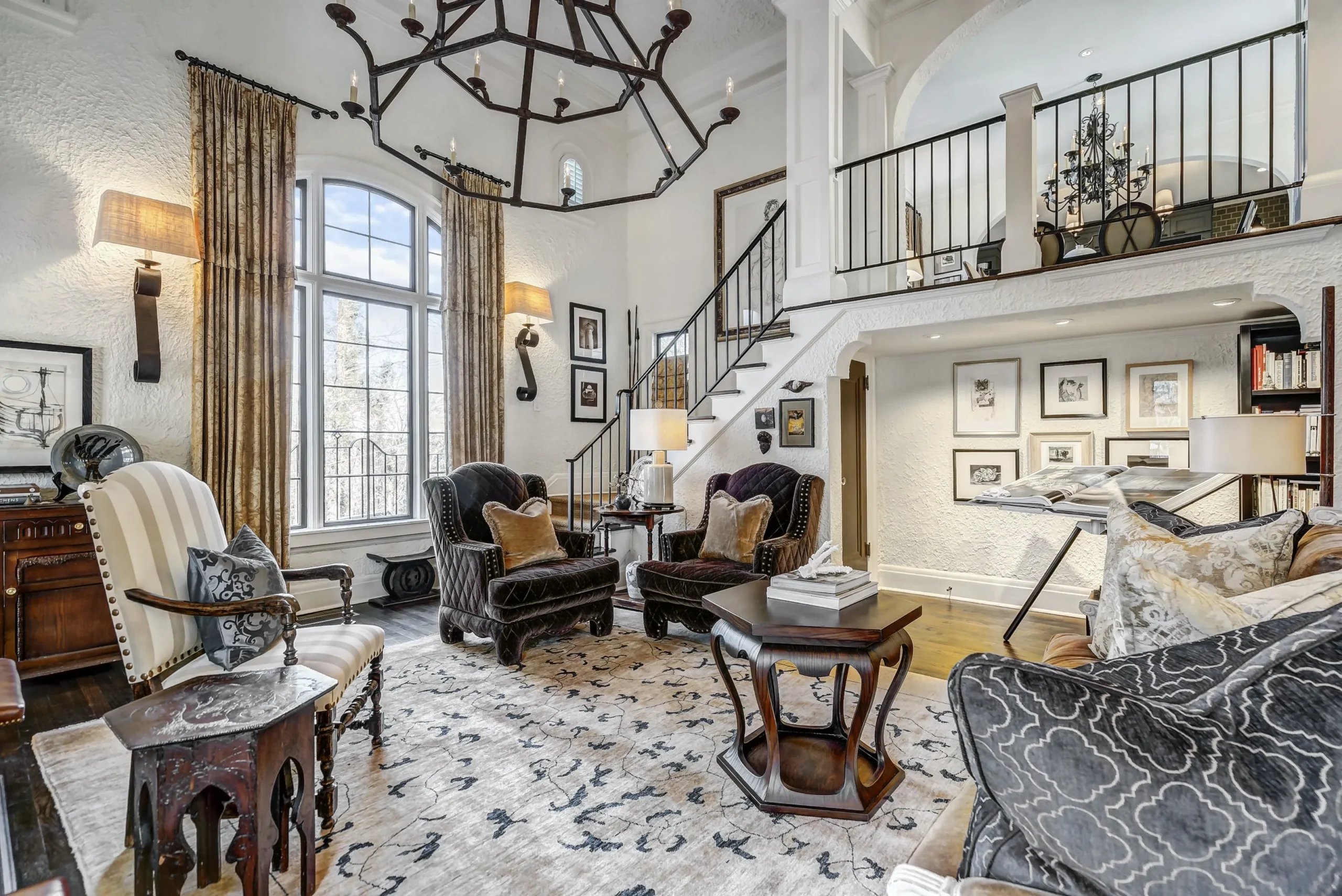
Here is how we run every interior project at Atlanta's Paint Doctor. Our interior house painting services cover walls, ceilings, trim, doors, and drywall repair, and each job follows the same documented process.
You approve the finished rooms before the balance is due. The work also carries a one year workmanship warranty. We paint interiors in Buckhead, Brookhaven, Sandy Springs, Ansley Park, Virginia Highlands, and Chastain Park.
What a Rushed Job Can Cost You
Price and speed are the first two things people compare. They are also the two things that can hide a cut corner. At Atlanta's Paint Doctor, most rooms fall between $400 and $1,200, or $4 to $6 per square foot. Room size, ceiling height, surface condition, and paint choice all move that number.
A wall that needs sanding, priming, and repainting adds prep and labor on top of the first bill. In my experience, fixing a flaw costs more than preventing one. Interiors are typically repainted every two to ten years. A finish that fails early shortens the life of that spend.
Questions to Ask a Painter Before You Hire
A few questions can tell you a lot before any work starts:
That last question matters for older homes. Federal law requires paid painting firms to be certified. They must also follow lead-safe work practices when they disturb paint in homes built before 1978. The EPA’s lead-safe renovation rule explains what a certified firm must do.