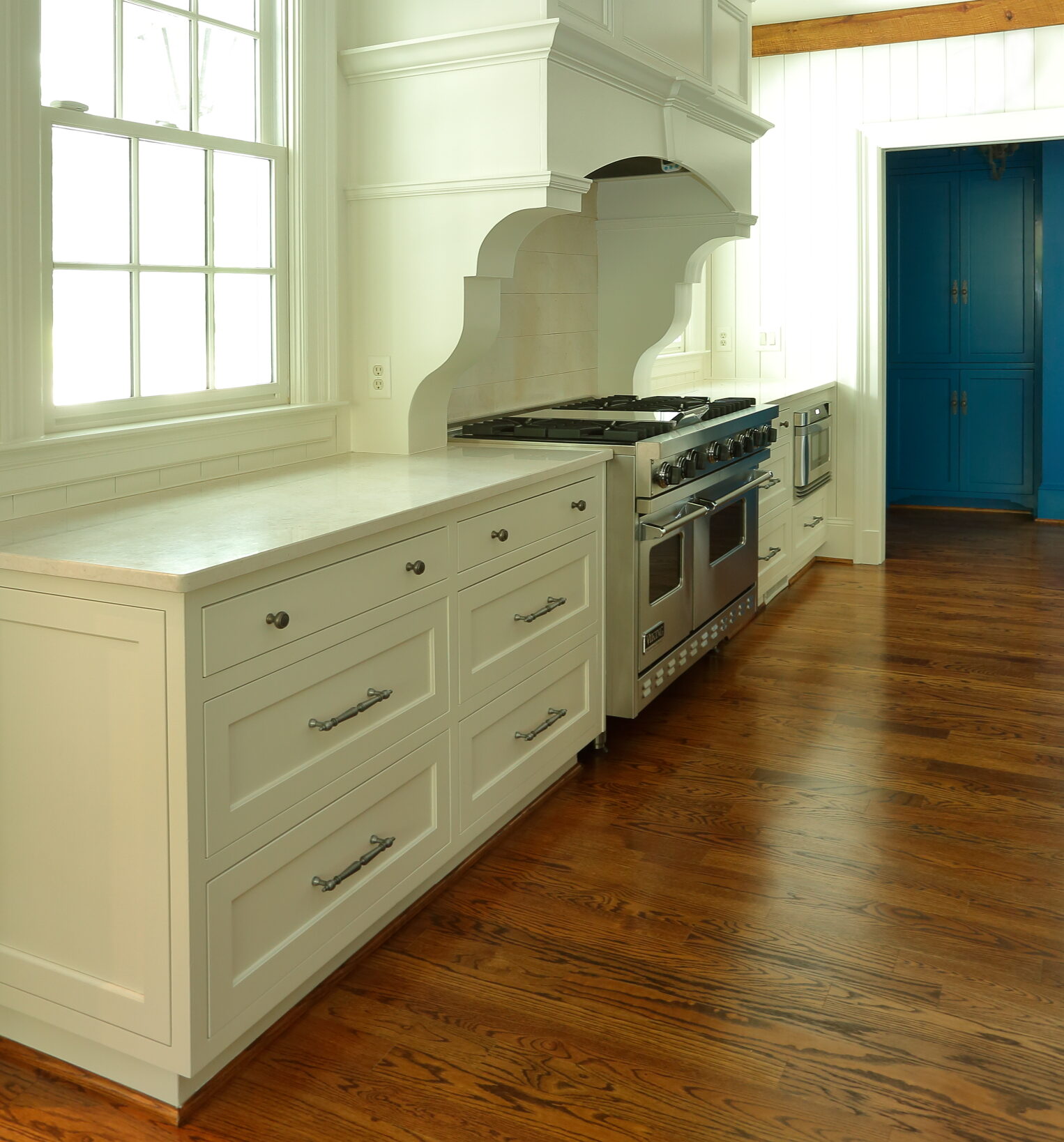
If you are seeing paint peeling off cabinets in your Atlanta kitchen, the cause is usually easier to find than you might expect. Maybe it is painted cabinets chipping near the handles. Maybe it is long strips lifting off a door. In either case, the problem often starts under the paint, not in the paint itself. At Atlanta's Paint Doctor, our team has refinished kitchens across North Atlanta for 25 years. That gives us a close look at what holds up in local homes. Below, we break down the most common causes and what each one looks like. We also cover when cabinet refinishing can update the cabinets you already have without a full remodel.
Why Are Painted Cabinets Chipping So Soon?
Kitchen cabinets work harder than most surfaces in a home. Hands, steam, heat, and cleaning sprays hit them every day. A finish has to grip the surface tightly to survive that, and when it does not, chips and peeling follow. In Brookhaven kitchens and across North Atlanta, handles, the stove, and the sink take the most abuse. As a result, those spots tend to show damage first.
Still, not every chip means a failed paint job. Small chips at corners often come from everyday wear, especially years after painting. Paint that lifts in strips or sheets is different. That pattern usually points to a weak bond between the finish and the cabinet. You may wonder whether a quick, low-bid job or a do-it-yourself project caused it. Neither is proof on its own, so the table below helps you read the damage instead.
What Your Cabinet Damage Can Tell You
| What You See | What It Often Points To |
|---|---|
| Paint lifts in strips or sheets | A weak bond from grease, gloss, or missing primer |
| Small chips at corners and edges | Everyday wear, or doors put back in use before the finish hardened |
| Peeling near the stove or sink | Heat, steam, and splashes working on a weak bond |
| Soft or sticky spots long after painting | Humid air slowing the cure |
Grease, Gloss, and Primer: Where Paint Peeling Off Cabinets Starts
Cooking grease and hand oils build up on cabinets, even when they look clean. Paint does not bond well to that film. One major paint maker spells this out. Benjamin Moore’s technical data sheet for its Advance enamel says surfaces must be free of dirt, grease, oil, soap, and wax. It also says to dull glossy areas, remove peeling paint, and sand the edges smooth. If you skip those steps, paint may sit on a slick layer instead of gripping the cabinet.
Primer matters just as much. The same sheet calls for sanding cabinets with 220-grit paper or coarser before priming. It also names a different primer for laminate than it does for wood. Different cabinet materials can need different primers, so a one size fits all approach can lead to peeling.
Why Atlanta Humidity Slows the Cure
Georgia has a humid subtropical climate, and that matters for cabinets. Benjamin Moore tests Advance at 77°F and 50% relative humidity. Under those conditions, it feels dry to the touch in 4 to 6 hours. Then it takes a second coat after 16 hours. The same sheet warns that high humidity or cooler temperatures will prolong drying, recoat, and cure times.
Curing takes longer than drying. Benjamin Moore says full hardness can take up to 30 days. It also advises against heavy abrasion for at least 3 to 5 days. When doors go back on too early, hinges and handles can mark a soft finish.
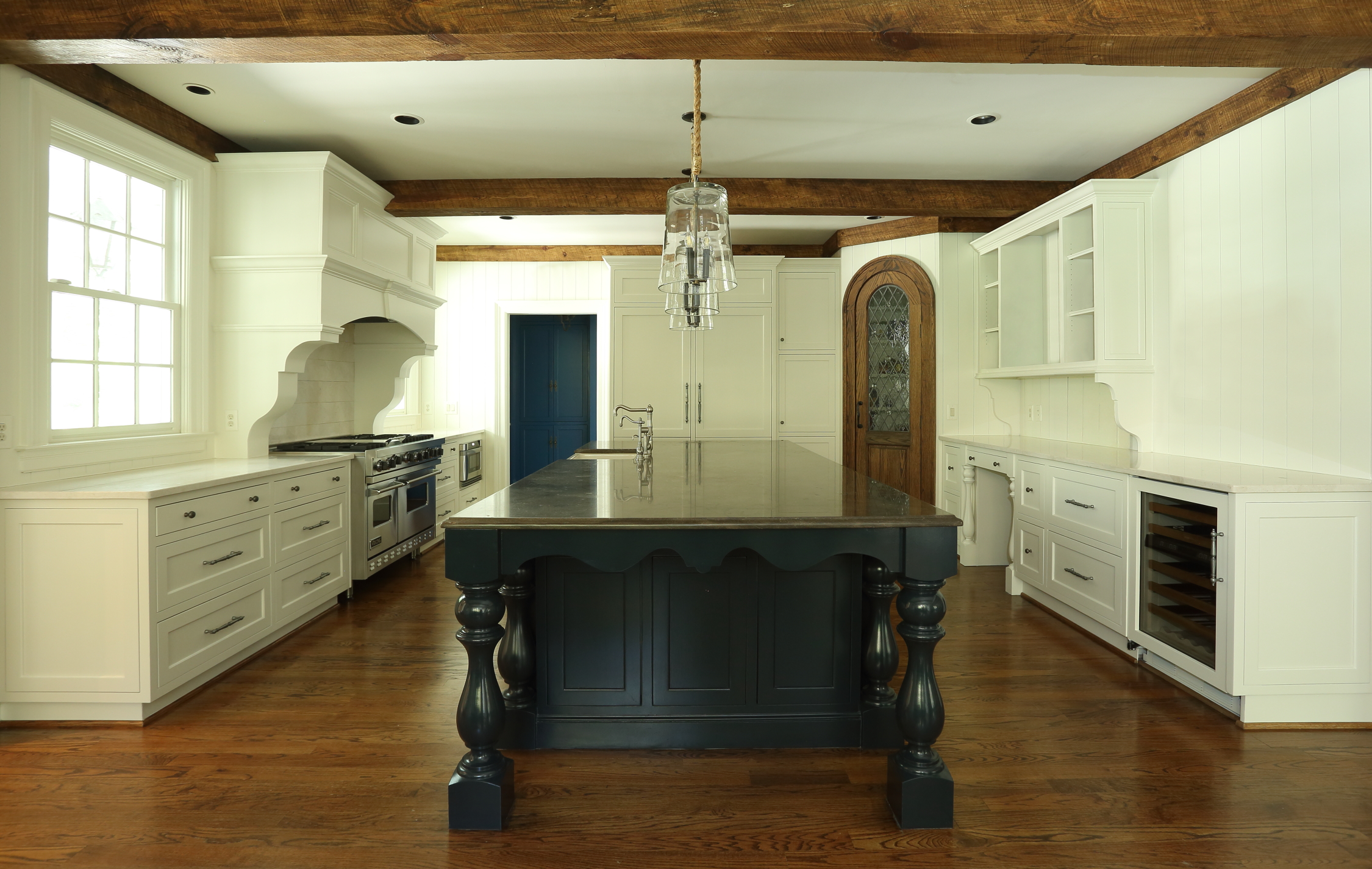
That is why we build curing time into every schedule. We finish doors and drawer fronts in our shop, in a controlled space, using Milesi coatings. Then they return to your home.
Lead Paint in Older Homes: Ask Before Anyone Sands
If your home was built before 1978, the layers under your cabinet finish may include lead paint. The EPA says about three-quarters of U.S. homes built before 1978 still contain some lead paint. Sanding and scraping old paint can release lead dust, and the Benjamin Moore sheet warns about it. The EPA’s Renovation, Repair and Painting program also requires certification for firms paid to disturb painted surfaces in those homes.
Before you hire anyone, ask whether the firm is lead-safe certified if your home is that old. Ask to see the proof.
What to Do When Painted Cabinets Are Chipping
Peeling does not always mean new cabinets. If the boxes are still solid, refinishing is usually the practical route. We walk you through every option during your free estimate. Then we recommend the one that fits your cabinets, not the most expensive one.
| Option | When It Fits |
|---|---|
| Refinishing | Solid cabinets with a worn or dated finish. Keeps your doors, drawer fronts, and boxes. |
| Refacing | Solid boxes when you want a bigger style change. Replaces door and drawer fronts. |
| Replacement | Damaged boxes or a layout that needs to change. |
What to Have Ready Before Your Estimate
A little background helps us give you a clear answer. Photos and a few details make the visit more useful. Before we arrive, it helps to note these points:
Our Five Day Cabinet Refinishing Process
When the boxes are sound, we refinish the cabinets you already have. Our five day cabinet refinishing process is documented, so you know what happens and when. Here is the schedule:
You approve the color in writing before we start. Every project ends with a final walkthrough, sign off, and a one year workmanship warranty. Cost depends on the number of doors and drawers, the condition of your cabinets, and the finish you choose. So we give you a written quote after a free on site estimate. You can also try the calculator on our pricing page.
Cabinet Refinishing in Brookhaven and Nearby Neighborhoods
We refinish cabinets across North Atlanta, including Brookhaven, Buckhead, Sandy Springs, Ansley Park, Virginia Highlands, and Chastain Park. If you live in one of these neighborhoods, we can schedule a free estimate at your home.