In healthcare, “good enough” finishes aren’t actually good enough. Every wall, door frame, and corner takes daily abuse from wheelchairs, carts, IV poles, kids’ hands, and constant cleaning. If the paint on those surfaces can’t keep up, your facility starts to look tired, dingy, and less “safe” in patients’ eyes—no matter how good the clinical care is.
That’s why more clinics, senior care communities, and medical offices across Atlanta, Sandy Springs, Buckhead, Brookhaven, Ansley Park, Midtown, and Virginia‑Highland are shifting to antimicrobial and highly washable paint systems. These coatings are designed specifically for environments that demand frequent cleaning and higher infection‑control awareness.
If you’re planning a repaint and searching for antimicrobial paint commercial Atlanta solutions that actually work in real‑life healthcare settings, this guide will help you understand what matters most.
Why Standard Paint Isn’t Built for Healthcare Traffic
Most “regular” interior paints are designed for homes or low‑traffic offices. They look nice on day one—but in a medical environment, day one doesn’t last very long.
In clinics, hospitals, and rehab spaces, walls face:
Standard paints quickly show:
In patient‑facing spaces, those signs of wear send the wrong message. Antimicrobial and washable coatings are built to handle this level of stress while maintaining a clean, professional appearance.
What Antimicrobial & Washable Paints Actually Do
There’s a lot of marketing language around “antimicrobial” products, so let’s keep this simple.
Antimicrobial paints contain additives that help inhibit the growth of microbes on the painted surface. They’re not a substitute for cleaning or proper infection‑control protocols, but they can support a cleaner environment when used correctly.
Washable / scrub‑resistant paints are formulated so you can:
In high‑traffic clinical areas, the combination of antimicrobial and washable technology is ideal. This is where antimicrobial paint commercial Atlanta facilities lean in: coatings that can handle both the biology and the day‑to‑day reality of busy hallways and exam areas.
Where These Coatings Make the Biggest Difference
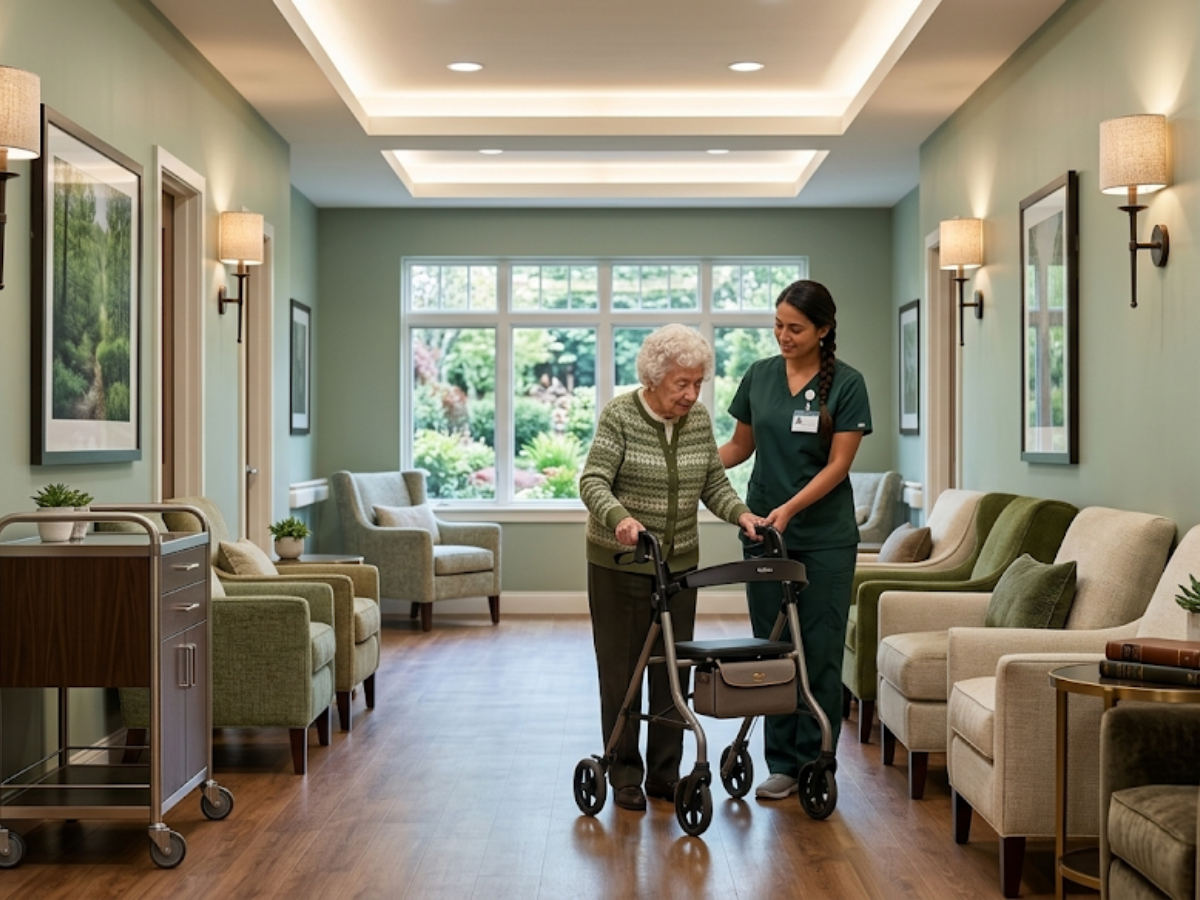
Not every wall in your building needs the same level of protection. But there are key areas where antimicrobial and washable paints pay off quickly.
When you’re brainstorming clinic interior painting ideas, it’s smart to identify these high‑impact zones first and allocate your best coatings there.
How Antimicrobial & Washable Paints Support Infection‑Control Efforts
Again, these paints don’t replace cleaning, PPE, or proper protocols—but they do support them.
In a city like Atlanta, where patients often compare experiences between multiple practices, that level of detail makes a measurable difference.
Choosing the Right Contractor for Antimicrobial Paint Systems
Antimicrobial and washable coatings are only as effective as the prep, product selection, and application behind them. This is where choosing a healthcare‑experienced contractor matters more than ever.
The right partner will:
If you’re not sure what to look for, our article “How to Choose a Commercial Painting Contractor for Your Atlanta Medical Facility” walks through the questions to ask, the red flags to avoid, and how to evaluate whether a contractor truly understands healthcare environments.
When you combine the right antimicrobial paint commercial Atlanta system with the right contractor, you get a result that looks better, lasts longer, and supports the standards your facility is already working hard to maintain.