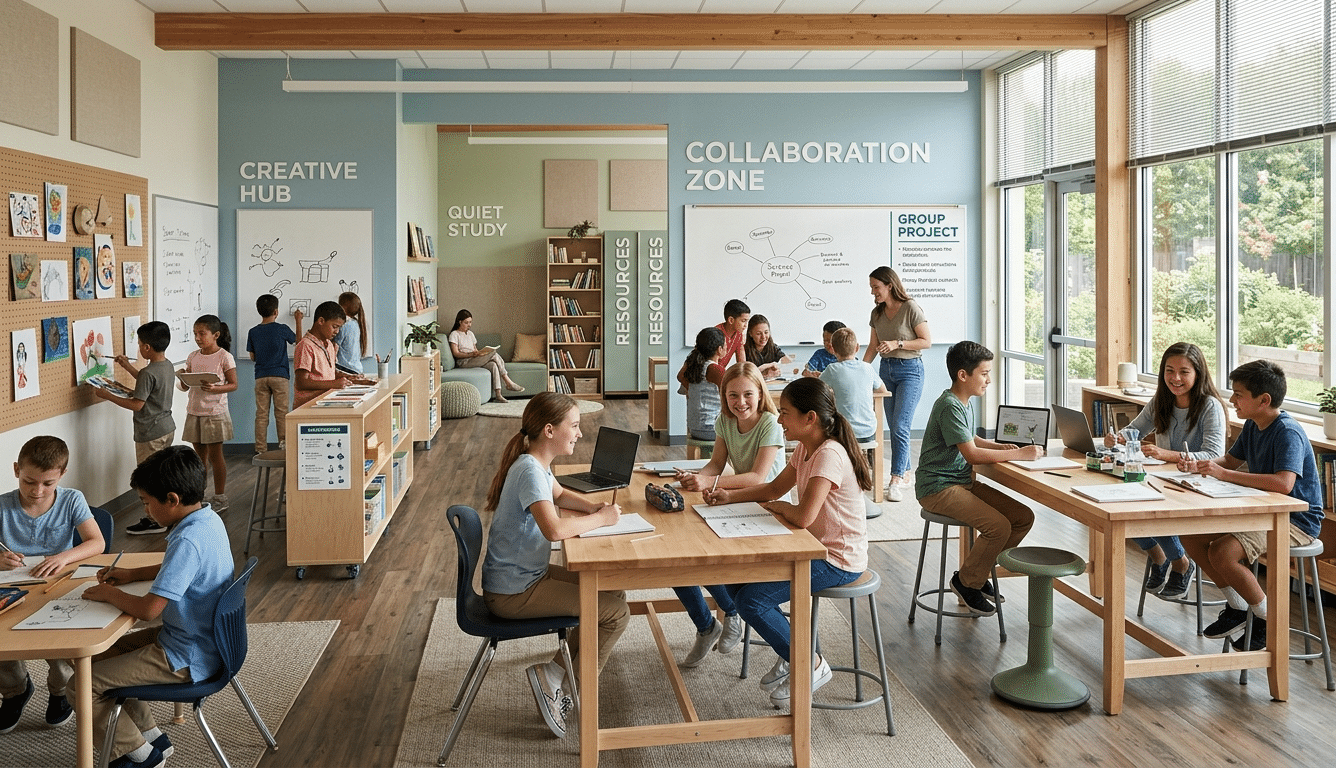
Facility Upgrades That Support Neurodiverse Learners are becoming a priority for K-12 schools across Georgia and throughout the country. As educators gain a deeper understanding of neurodiversity, they are recognizing that student success is influenced by more than curriculum and instructional strategies. The physical environment itself can significantly impact how students learn, engage, and feel throughout the school day.
For students with autism spectrum disorder (ASD), ADHD, sensory processing differences, dyslexia, and other neurological variations, factors such as lighting, noise levels, classroom layouts, and even color choices can affect focus, emotional regulation, and academic performance. As schools seek to create more inclusive learning environments, facility planning is increasingly becoming part of the conversation.
As a proud member of the Georgia Charter Schools Association (GCSA) and a corporate sponsor of the Georgia Independent School Association (GISA), Atlanta’s Paint Doctor understands the importance of helping schools create spaces where every student can succeed.
Why Inclusive Facility Design Matters
While every student experiences the learning environment differently, many traditional school buildings were designed before today’s understanding of neurodiversity became more widely recognized. Harsh lighting, excessive noise, crowded hallways, and visually overwhelming spaces can create unnecessary barriers for some learners.
Schools that evaluate their facilities through the lens of neurodiversity often discover opportunities to improve comfort, accessibility, and engagement for all students. Many of these improvements align with universal design principles, benefiting students, teachers, staff, and visitors alike.
When educational environments feel more predictable, comfortable, and supportive, students are better positioned to focus on learning rather than managing sensory distractions.
The Importance of Lighting in Learning Spaces
Lighting is one of the most influential yet often overlooked elements of school design. Traditional fluorescent fixtures can create glare, flickering, and subtle buzzing sounds that may distract neurodiverse learners.
Many schools are now transitioning to LED lighting systems that offer greater energy efficiency and improved visual comfort. Classrooms that incorporate natural daylight or adjustable lighting controls give educators more flexibility to create environments that support different activities throughout the day.
Thoughtful lighting can promote concentration, reduce eye strain, and create a calmer atmosphere that helps students feel comfortable and engaged.
Reducing Noise Through Better Acoustics
For students who are sensitive to sound, background noise can become a significant obstacle to learning. Hallway traffic, HVAC systems, cafeteria activity, and classroom chatter can make it hard to process information and stay focused.
As schools renovate or modernize facilities, many are incorporating sound-absorbing materials that help reduce noise levels and improve speech clarity. Acoustic ceiling systems, wall treatments, and updated flooring materials can all contribute to a quieter, more productive learning environment.
These improvements often benefit teachers as well, making communication easier and helping reduce vocal strain throughout the school day.
Flexible Classrooms Support Diverse Learning Styles
The traditional classroom model does not always accommodate the varied ways students learn, process information, and engage with instruction. Today’s schools are increasingly embracing flexible learning spaces that provide students with choices.
Instead of a one-size-fits-all approach, classrooms can include a variety of work areas that let students choose the environment that best supports their individual needs. Flexible spaces may incorporate:
Giving students more autonomy over how and where they learn can improve engagement while supporting self-regulation and comfort.
Sensory Rooms and Calm-Down Spaces
Many schools are investing in dedicated sensory spaces that let students step away from overwhelming situations and temporarily regain focus. These environments are intentionally designed to provide a sense of calm through controlled sensory experiences.
Sensory rooms often include comfortable furnishings, reduced lighting, tactile elements, and other supportive features that help students self-regulate. These spaces are not intended as disciplinary areas but rather as valuable tools that support student well-being and readiness to learn.
As awareness of mental health and social-emotional learning continues to grow, these types of spaces are becoming an important component of student-centered facility design.
Wayfinding That Reduces Stress and Confusion
Navigating a large school campus can be challenging for students who struggle with executive functioning, anxiety, or sensory overload. Clear signage and intuitive navigation systems can make a significant difference.
Many modern schools are using color-coded hallways, visual landmarks, and simplified directional signage to help students move confidently throughout the building. When students spend less energy navigating the campus, they can focus more effectively on their educational experience.
Creating predictability within the physical environment helps foster a greater sense of security and independence.
Outdoor Spaces as Extensions of Learning
Inclusive facility planning extends beyond the classroom. Outdoor learning environments can provide valuable opportunities for movement, sensory regulation, and alternative instructional experiences.
Schools are increasingly incorporating outdoor classrooms, sensory gardens, shaded gathering areas, and walking paths into their campuses. Access to outdoor spaces can support emotional well-being while giving students additional learning environments that accommodate different needs and preferences.
For many neurodiverse learners, these spaces provide opportunities to recharge and engage with learning in new ways.
The Role of Color in Supporting Neurodiverse Learners
While discussions about school design often focus on furniture, lighting, and acoustics, color is another important consideration. The colors used throughout a school can influence how students perceive and interact with their environment.
Bright, highly stimulating color schemes may be energizing in certain settings but overwhelming in others. Many educational facilities are choosing balanced, calming color palettes that create a more comfortable atmosphere while still maintaining a welcoming and engaging appearance.
Color can also serve a functional purpose. Strategic use of color can support wayfinding efforts, helping students identify classrooms, grade levels, departments, or common areas more easily. When incorporated thoughtfully, paint becomes more than a decorative finish. It becomes a tool that contributes to the overall learning experience.
How Atlanta’s Paint Doctor Can Help
Creating neurodiverse-friendly learning environments often involves a combination of design strategies, and professional painting services can play an important role.
Atlanta’s Paint Doctor partners with schools across Georgia to enhance educational facilities through high-quality interior and exterior painting solutions. Whether a school is renovating a classroom wing, updating common areas, refreshing administrative offices, or developing sensory-friendly spaces, our team helps educational leaders select colors and finishes that support both functionality and aesthetics.
Our experience in educational environments helps us understand schools’ unique needs, including project scheduling, durability requirements, and minimizing disruptions to students and staff.
Atlanta’s Paint Doctor can assist schools by:
Guided by our core values of Relationships, Character, Competency, Consistency, and Innovation, we work closely with school leaders to create spaces that support both educational goals and student well-being.
Creating Schools Where Every Student Can Thrive
The conversation around neurodiversity continues to evolve, and facility planning plays an increasingly important role in creating supportive educational environments. Schools that invest in thoughtful improvements such as better lighting, improved acoustics, flexible learning spaces, sensory-friendly areas, and strategic color design are helping remove barriers that can impact student success.
Facility Upgrades That Support Neurodiverse Learners are not simply about improving buildings. They are about creating environments where students feel comfortable, supported, and empowered to learn.
As a proud member of the Georgia Charter Schools Association (GCSA) and a corporate sponsor of the Georgia Independent School Association (GISA), Atlanta’s Paint Doctor is committed to helping schools throughout Georgia create learning environments that serve the needs of every student.