
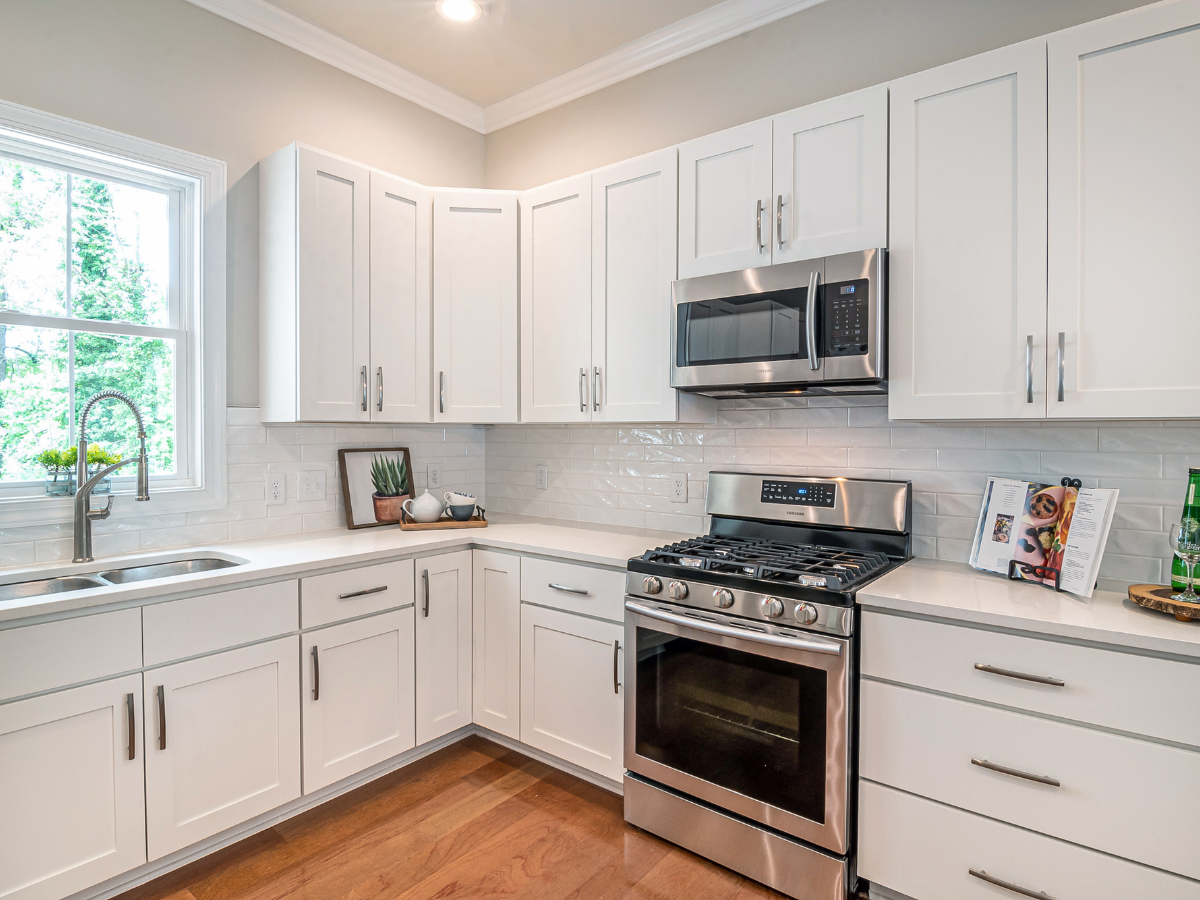
If there’s one space in an Atlanta home that works overtime, it’s the kitchen. Between cooking, washing dishes, wiping counters, grabbing snacks, packing lunches, and hosting friends, your cabinets take a beating every single day. And whether you’ve just had them beautifully refinished or refaced—or you’re considering it—you’re probably wondering one thing:
“How do I keep my painted cabinets looking great for years?”
The truth is, painted cabinets can stay smooth, durable, and gorgeous long-term… as long as they’re protected the right way. Atlanta kitchens face very specific challenges: humidity, heat, grease, fingerprints, and heavy daily use. Without the right protection, paint can start to dull, chip, peel, or show wear—especially around high‑touch areas like handles and drawers.
If you’re just starting to explore options for refreshing your kitchen, you may also find our resource The Atlanta Homeowner’s Guide to Cabinet Refinishing incredibly helpful—it breaks down what to expect, how refinishing works, and how to choose what’s right for your home.
Why Painted Kitchen Cabinets Need Protection — Especially in Atlanta
Atlanta’s climate is one of the biggest factors homeowners overlook when planning a cabinet makeover. The combination of heat + humidity creates a perfect storm for paint failures if the coatings aren’t applied correctly.
Here’s what your cabinets are up against:
1. Moisture
-
Steam from cooking
-
Heat and humidity from dishwashers
-
Humidity from the climate itself
-
Occasional spills around the sink area
Moisture can soften paint, cause wood to swell, and even lead to bubbling or peeling around edges.
2. Grease
Even if you cook only a couple of times a week, airborne grease settles everywhere—it’s unavoidable. Without a sealed finish, grease:
-
Leaves cabinet surfaces sticky
-
Makes paint discolor over time
-
Breaks down water‑based paint more quickly
3. Daily Use
Think about how often you:
-
Pull drawers open
-
Grab the same cabinet handle
-
Close doors with your hip or elbow
-
Clean fingerprints and spills
High‑touch areas naturally wear faster, especially without durable topcoats.
Because of all this, the paint itself is not enough of a protective layer. What really protects your cabinets is the finish on top of the paint.
The Secret to Long-Lasting Painted Cabinets: A Strong, Moisture‑Resistant Finish
If you want lasting durability, the finish has to be done correctly from the start. That’s where professional cabinet painters make all the difference.
At Atlanta’s Paint Doctor, our cabinet refinishing process includes:
-
Removing cabinet doors and drawers
-
Thorough cleaning and degreasing
-
Sanding for proper adhesion
-
Spraying high‑quality primer
-
Applying multiple coats of premium cabinet‑grade paint
-
Sealing the finish with a durable protective topcoat when needed
That last step—sealing—is the key to long-term success.
Do You Really Need to Seal Painted Cabinets?
Short answer? Yes — if you want durability.
Not every project requires a heavy polyurethane topcoat, but most Atlanta kitchens benefit from a moisture‑resistant protective finish. A professionally applied sealer:
-
Adds scratch resistance
-
Helps cabinets resist moisture and humidity
-
Prevents grease from penetrating the finish
-
Keeps colors looking vivid and fresh
-
Helps the finish cure harder and last longer
-
Makes cleaning easier
The right finish depends on your cabinet material, layout, and lifestyle. Some homeowners choose a soft‑touch matte look, while others prefer a smooth, durable satin or semi‑gloss finish for maximum cleanability.
At Atlanta’s Paint Doctor, we help homeowners choose the finish that blends beauty, durability, and longevity.
Where Cabinets Wear Down the Fastest
Because we paint hundreds of homes across Midtown, Brookhaven, Sandy Springs, and Buckhead, we see the same patterns again and again. These are the spots that wear first:
Around Handles & Knobs
Oils from hands slowly dull the sheen.
Sink Base Cabinets
Water drips, steam, and dishwasher heat take a toll.
Trash Pull-Outs
One of the most frequently used doors in the whole kitchen.
Upper Cabinets Above the Stove
Grease and heat rise and cling.
Drawers Holding Utensils & Cutlery
Constant opening + friction = wear.
Because these areas take the most damage, your cabinets need a finish that can hold up to real kitchen life—not just look pretty on day one.
Practical Tips to Protect Your Painted Cabinets at Home
Even with a professional finish, a little day‑to‑day care goes a long way. Here’s how to extend the life of your cabinets.
1. Use the Right Cleaners (This is HUGE)
Avoid:
-
Harsh chemicals
-
Degreasers
-
Magic erasers
-
Abrasive pads
-
Vinegar solutions
These can strip the finish or dull the sheen.
Instead, use:
-
Gentle dish soap + warm water
-
Microfiber cloths
-
Cleaners labeled “cabinet-safe” or “non-abrasive”
This alone can add years to your finish.
2. Wipe Spills Quickly (Especially Around the Sink)
Water might seem harmless, but over time it can:
-
Raise the wood grain
-
Cause swelling
-
Break down the protective finish
Quick wipe-downs prevent long-term damage.
3. Don’t Hang Damp Dish Towels on Cabinet Doors
We know—everyone does this.
But that damp towel is slowly:
-
Softening the finish
-
Seeping moisture into the paint
-
Weakening the protective coating
Use your oven handle or a designated towel hook instead.
4. Protect High-Use Areas with Hardware
If your doors don’t have knobs or pulls, install them.
Every time you grab the cabinet edge, you wear that paint down.
Using hardware:
-
Reduces fingerprints
-
Minimizes oils on the finish
-
Protects corners from chipping
Plus, hardware is a great way to update the look of your kitchen.
5. Maintain Good Kitchen Ventilation
This is especially important in older Morningside, Midtown, and Virginia-Highland homes.
Turn on your vent hood every time you cook—it reduces grease and humidity dramatically.
6. Get Periodic Touch-Ups Professionally
Once every few years, a refresh keeps cabinets looking brand new.
Think of it like car maintenance—it avoids bigger problems down the road.
Why Professional Cabinet Painters Matter (Especially in Midtown Atlanta)
There’s a reason homeowners often regret DIY cabinet painting:
-
It chips easily
-
The paint goes on unevenly
-
Brush marks show
-
Edges start peeling
-
The finish feels sticky
-
Doors don’t cure properly
Cabinet painting isn’t like painting walls—it’s a craft that requires specialty tools, controlled spraying, and proper curing time.
At Atlanta’s Paint Doctor, we:
-
Remove all doors and drawers
-
Set up a controlled spray environment
-
Use high‑quality primers and cabinet‑grade paints
-
Apply finishes designed for moisture and high wear
-
Achieve a smooth, factory-like finish
-
Provide long-lasting durability
A professional finish not only looks better on day one—it performs better for years.
If you’re comparing refinishing, refacing, or replacing your cabinets, check The Atlanta Homeowner’s Guide to Cabinet Refinishing.
How to Know When Your Cabinets Need Protection or Refinishing
If you’re unsure whether your existing cabinets need help, look for:
✔ Dull spots around handles
✔ Peeling or flaking paint near the sink
✔ Sticky or tacky cabinet surfaces
✔ Water stains or swelling
✔ Yellowing around the stove
✔ Scratches or paint missing on edges
✔ Drips or brush marks from previous DIY jobs
✔ Grease buildup that won’t wash off
Any of these signs mean your cabinets are ready for professional refinishing or protective sealing.
Final Thoughts: Protecting Your Investment Starts with the Right Finish
A beautifully refinished or refaced kitchen is one of the best upgrades you can make to your home—and protecting it ensures you enjoy that investment for years.
With the right moisture-resistant finish, proper sealing, and a little good care, painted cabinets can stay durable, cleanable, and gorgeous… even in the busiest Atlanta kitchens.
And if you’re unsure where to start, we’re here to help.
Are there any cabinets or built-ins at home that need our expert services? Get a quote today!