
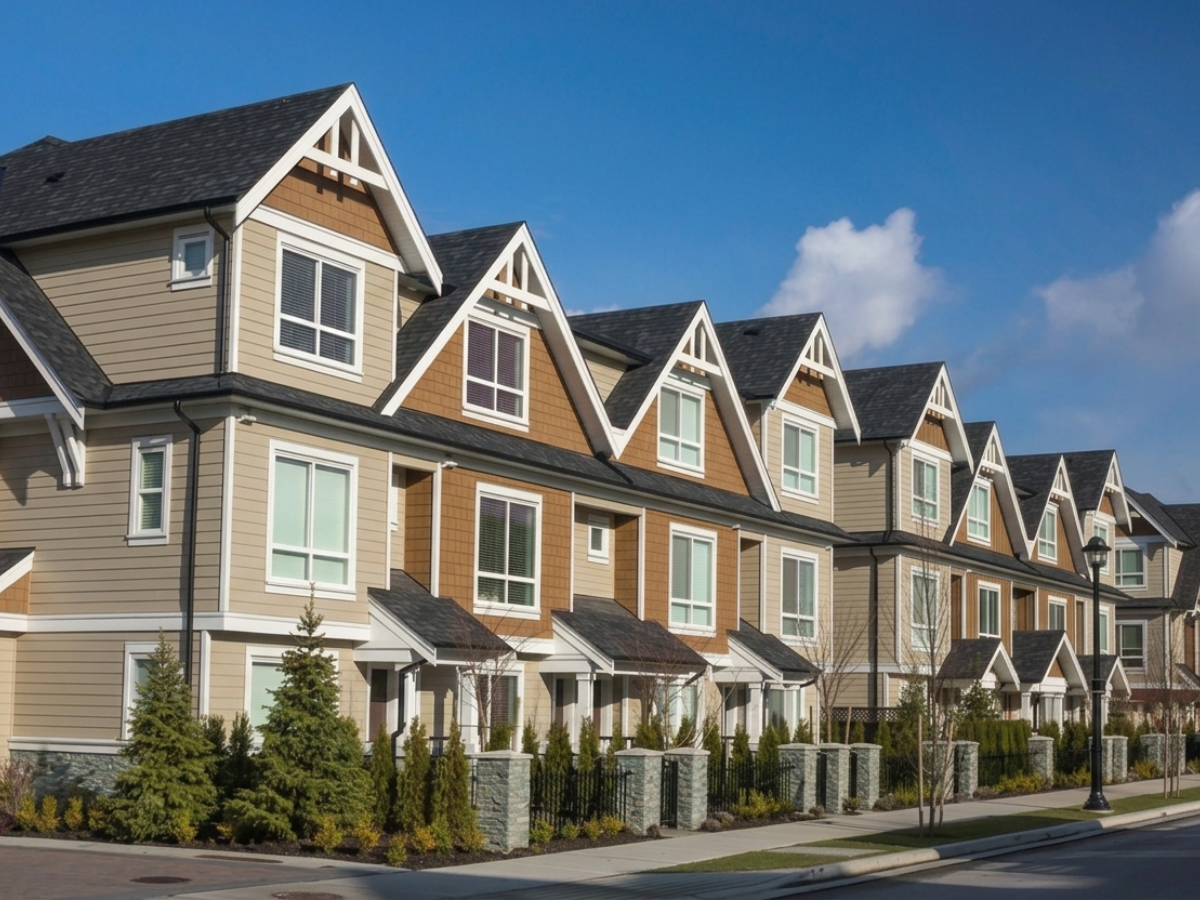
In Atlanta’s most in‑demand townhome areas — Buckhead, Brookhaven, and Sandy Springs — one of the biggest sources of confusion for both residents and board members is this:
“Who is responsible for painting what? The HOA or the homeowner?”
As Atlanta’s Townhome Doctor, we help communities clarify these boundaries so maintenance stays consistent and responsibilities stay clear.
Because townhomes sit somewhere between single‑family homes and multifamily buildings, their maintenance rules operate differently than traditional HOA subdivisions. Shared walls, uniform façades, attached elevations, and community design standards all shape who pays for maintenance — and when.
Whether you’re a property manager, a townhome board member, or a resident trying to understand your responsibilities, this guide breaks down the interior vs. exterior painting responsibilities most Atlanta townhome communities use to keep consistency, protect property values, and maintain strong curb appeal.
For help choosing the right partner to execute these responsibilities, see our Ultimate Guide to Painting Townhome Communities in Atlanta
Exterior Responsibilities (Typically HOA‑Controlled)
Applies to most attached townhomes across Buckhead, Brookhaven, and Sandy Springs.
In the majority of Atlanta townhome communities, the exterior is common property managed by the HOA or property management company. That’s because every building shares:
- Continuous siding lines
- Uniform color schemes
- Shared trim details
- Connected rooflines and gutters
- Community-wide architectural standards
Maintaining these areas consistently is essential to protecting both aesthetics and long-term structural integrity.
What the HOA usually covers:
-
Exterior Siding (Fiber Cement, Brick, or Stucco)
The HOA typically repaints:
- Fiber cement siding
- Stucco façades
- Brick accent walls
- Mixed-material elevations
This ensures every building keeps the same color uniformity and quality level.
-
Exterior Trim & Fascia
Trim is exposed, wears faster, and must match across all units.
This includes fascia boards, soffits, window trim, and accent trim.
-
Railings, Metalwork & Shutters
These elements have high visibility and directly impact curb appeal.
-
Front Doors (in many communities)
In some Buckhead and Brookhaven communities, the HOA either:
- Fully controls door color, or
- Allows homeowners to select from a pre‑approved palette
Doors must match the building aesthetic — not personal preferences.
-
Shared Exterior Structures
Such as:
- Signage
- Mail kiosks
- Exterior stairwells
- Breezeways
- Clubhouse exteriors
All of these fall under community maintenance.
Interior Responsibilities (Typically Homeowner‑Controlled)
With a few notable exceptions.
Inside the 4 walls of the home, painting is almost always the homeowner’s responsibility.
Interior areas homeowners are typically responsible for:
- Living rooms, bedrooms, kitchens
- Bathrooms
- Private stairwells
- Interior doors and trim
- Ceilings
- Accent walls
These areas vary by homeowner style and don’t impact community standards.
Shared Interior Spaces (HOA Responsibility)
This is where confusion usually starts — and where boards must be consistent.
Townhome communities in Buckhead, Brookhaven, and Sandy Springs often include interior spaces that are not inside individual homes, but are not exterior either.
These include:
-
Clubhouses & Leasing/Management Offices
High‑traffic areas used by residents and guests.
Painting is a community budget item, often every 2–5 years.
-
Interior Breezeways or Enclosed Corridors
Common in stacked or split‑level townhomes.
Since these are shared, the HOA manages upkeep.
-
Shared Stairwells
If they serve multiple units, they are community property.
-
Mailrooms or Package Rooms
These require durable, scuff-resistant coatings.
-
Fitness Rooms or Meeting Areas
Long-term performance and regular updating matter here.
These spaces all fall under the HOA because they contribute to:
- Safety
- A cohesive community experience
- Property value
- A consistent service level
Why Responsibilities Matter So Much in Townhome Communities
A clear divide between interior and exterior responsibilities allows:
-
Predictable Budgeting
Townhome communities in North Atlanta plan repaint cycles across multiple buildings.
Clear boundaries prevent surprise expenses or owner disputes.
-
Consistent Curb Appeal
No mismatched façades or random door colors — the integrity of each building stays intact.
-
Fewer Complaints & Questions
Residents understand who handles what, reducing friction for property management.
-
Longer‑Lasting Assets
Boards and managers can plan repaint cycles every 5–7 years without scrambling.
How to Make Sure Your Community Follows the Right Responsibilities
✔ Review your CC&Rs (Covenants, Conditions & Restrictions)
Every community is slightly different.
✔ Create a visual “Maintenance Responsibility Map”
Many top-performing communities distribute this annually.
✔ Prepare a multi‑year repaint plan
So owners know when their building is up next.
✔ Choose the right contractor
Your contractor must understand:
- Townhome architectural standards
- Multi‑building sequencing
- Color consistency
- Communication with residents
- Safety and access logistics
This is where your team can reference:
How to Select an Approved Painting Contractor for Your Atlanta Townhome Community.
Final Thoughts
Interior vs exterior responsibilities in Atlanta townhomes don’t need to be confusing. Most communities in Buckhead, Brookhaven, and Sandy Springs follow a simple rule:
- The HOA manages every part of the exterior and shared interior spaces.
- Homeowners manage everything inside their four walls.
Clear guidelines help protect property values, reduce disputes, and keep the community looking consistently well maintained.
As Atlanta’s Townhome Doctor, we’re here to support boards and managers in defining responsibilities and planning maintenance that keeps the entire community aligned.
If your board or property manager is ready to organize a townhome repaint or clarify responsibilities:
Let’s talk about your upcoming repaint.