
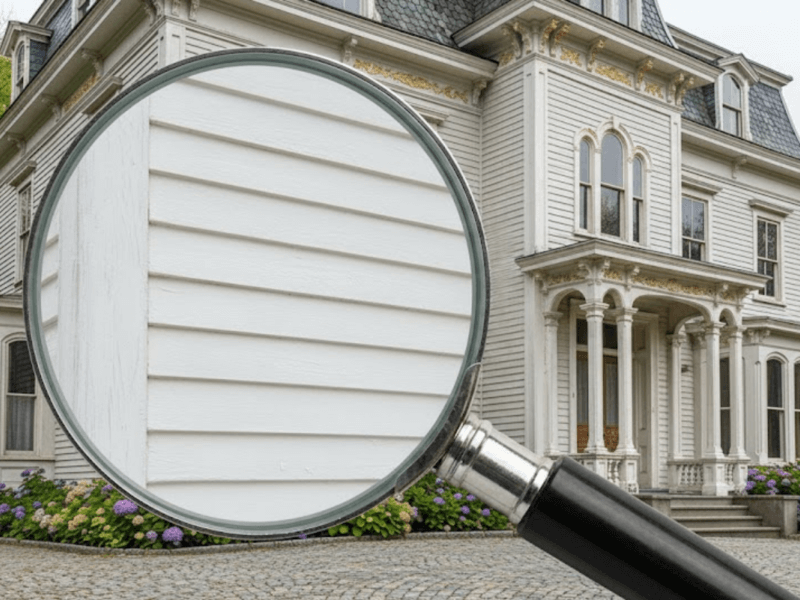
When most homeowners think about exterior paint problems, they imagine obvious issues like peeling paint or exposed wood. But by the time those signs appear, damage is often already underway beneath the surface. Below are the most common early indicators that your home’s exterior paint is failing—even if everything still looks “mostly fine.”
In Atlanta’s climate—where humidity, heat, heavy rain, and seasonal temperature swings are part of everyday life—exterior paint works harder than many people realize. Its job isn’t just to look good. Paint is a protective barrier that shields your home from moisture, sun exposure, and long-term structural wear.
The good news? Exterior paint usually shows subtle warning signs long before serious damage occurs. Knowing what to look for can help you address issues early, protect your investment, and avoid costly repairs.
1. Fading and Uneven Color
Fading is often dismissed as a cosmetic issue, but it’s one of the earliest signs that your exterior paint is losing its protective strength. Constant sun exposure breaks down paint pigments over time, especially on south- and west-facing sides of the home.
If you notice areas where the color looks washed out, patchy, or uneven compared to other sides of the house, it may mean the paint’s UV resistance is wearing down. Once this happens, the surface becomes more vulnerable to moisture intrusion and surface breakdown.
In Atlanta, intense sunlight combined with humidity accelerates this process, making fading an early red flag rather than a minor annoyance.
2. Chalking on the Surface
Have you ever run your hand along your home’s siding and noticed a fine, powdery residue on your fingers? That’s called chalking.
Chalking occurs when paint begins to deteriorate and release pigment due to prolonged exposure to the elements. While a small amount of chalking is normal over time, excessive chalking indicates that the paint film is breaking down faster than it should.
Left unaddressed, chalking can prevent new paint from adhering properly and signal that your exterior is no longer fully protected.
3. Hairline Cracks in the Paint Film
Tiny cracks in exterior paint—sometimes called “checking” or “crazing”—are easy to overlook. They often appear before any peeling or flaking occurs.
These hairline cracks develop as paint expands and contracts with temperature changes. Over time, they allow moisture to penetrate beneath the paint layer. In Atlanta’s humid environment, that moisture can lead to wood rot, mold growth, or substrate damage long before visible peeling appears.
Catching these cracks early allows for targeted repairs instead of widespread repainting or surface replacement later.
4. Bubbling or Blistering Paint
Bubbles or blisters in exterior paint are a clear warning sign that moisture is trapped beneath the surface. This often happens when water enters through small gaps, unsealed joints, or failing caulk and becomes heated by the sun. 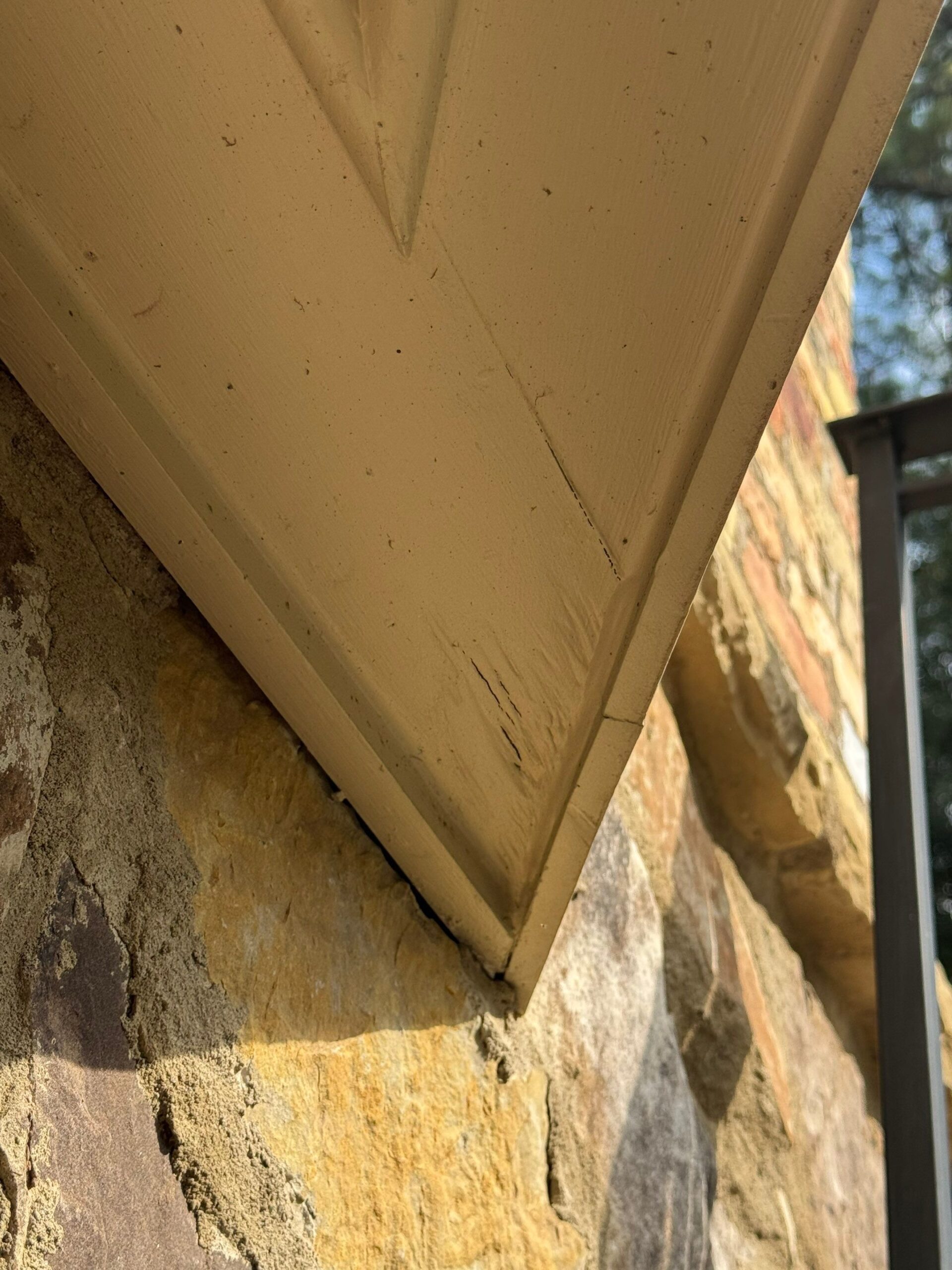
While blistering paint may still be intact, it’s a strong indication that the protective barrier has already been compromised. Once moisture is trapped, the paint will eventually peel, exposing the surface below.
At this stage, addressing the underlying moisture issue is just as important as repainting.
5. Failing or Cracked Caulk Around Trim and Openings
Exterior paint doesn’t work alone. Caulking around windows, doors, trim, and joints plays a critical role in keeping moisture out.
Cracked, shrinking, or missing caulk is often one of the earliest signs that your exterior system is breaking down. When caulk fails, water can seep behind painted surfaces, leading to damage that remains hidden until it becomes severe. 
Regular inspections of caulk lines can prevent extensive repairs and extend the life of your exterior paint job.
6. Paint That Feels Brittle or Thin
If your exterior paint feels brittle, thin, or unusually rough to the touch, it may be nearing the end of its lifespan. Quality exterior paint should retain a degree of flexibility to move with the home as temperatures change.
Once paint loses that flexibility, it becomes more prone to cracking, flaking, and moisture penetration. This often happens gradually, making it easy to miss until problems escalate.
7. Increased Maintenance Needs
If you find yourself constantly touching up small areas, cleaning mildew, or repainting trim sections more frequently than expected, your exterior paint system may be failing overall.
Repeated minor fixes can signal a bigger issue—one that’s often more cost-effective to address proactively rather than piecemeal.
This is where understanding the hidden costs of ignoring exterior paint maintenance becomes critical. Small, overlooked issues can quietly lead to wood replacement, siding repairs, or mold remediation if left unchecked. (You can explore this in more detail in our blog post, Los costos ocultos de ignorar el mantenimiento de pintura exterior.)
Why Early Detection Matters
Exterior paint failure rarely happens overnight. It’s a gradual process that starts with subtle visual and tactile changes. Homeowners who act early benefit from:
- Lower repair costs
- Fewer structural issues
- Longer-lasting paint jobs
- Better protection against Atlanta’s climate
- Stronger curb appeal and home value
Regular inspections—especially after heavy rain seasons or hot summers—can make a significant difference.
Protecting Your Home Before Damage Appears
Exterior paint is one of your home’s first lines of defense. When it begins to fail, the consequences go far beyond appearance.
If you’re noticing fading, chalking, or cracking, those are the signs your exterior paint is failing. And it may be time for a professional assessment. Addressing paint issues before damage becomes visible is one of the smartest ways to protect your home long-term.
If you’re thinking about painting your exterior, read The Atlanta Homeowner’s Guide to Exterior Excellence to learn everything you need to know about exterior painting.
At Atlanta’s Paint Doctor, we help homeowners identify these early signs and recommend the right solution—whether that’s maintenance, touch-ups, or a full repaint—so small problems don’t turn into major repairs. Contact us!
Have you noticed any of these warning signs on your home’s exterior?
Which area concerns you most right now—siding, trim, or doors?
Share your thoughts in the comments—we’d love to hear from you.